


AI technology is undeniably valuable in today’s world, seamlessly integrated into our devices and platforms. However, its dominance in the tech industry has overshadowed the importance of basic hardware improvements. While AI has its benefits, there is a growing need for advancements in areas like faster charging, larger batteries, enhanced PC integration, and improved haptic feedback.
Before delving into the details, it’s essential to clarify that I hold no animosity towards AI technology. Its practicality cannot be denied, and it plays a crucial role in our daily lives. Nevertheless, the tech landscape has shifted towards AI-centric developments, leaving hardware enhancements in the background. Major tech events like Google I/O now showcase AI innovations, steering away from traditional hardware discussions.
The convenience of AI features is undeniable, from email summarization to call notes transcription. However, the quest for meaningful hardware upgrades should not be overlooked. The focus should be on practical enhancements that genuinely enhance the user experience.
Swift Charging Innovations
Advocating for rapid charging, I can attest to its benefits despite misconceptions about battery life degradation. With a 100W charging-compatible phone over the past three years, the battery’s wear is comparable to standard 25W charging devices. While fast charging may accelerate degradation under specific conditions, Battery Management Systems (BMS) in modern phones prevent overheating and overcharging issues by adjusting the charging rate accordingly.
Brands like OnePlus and Xiaomi have spearheaded fast charging standards, delivering up to 100W charging speeds globally. The Xiaomi 15T Pro’s 50W wireless charging capability surpasses mainstream flagship devices like Samsung, Google, and Apple, offering unparalleled charging efficiency.
Luke Baker
Experiencing the efficiency of rapid charging daily highlights the inconvenience of reverting to slower-charging devices. It dictates your schedule and induces battery anxiety if you forget to plug in overnight. Rather than focusing on power-consuming AI functionalities, manufacturers should prioritize faster charging technologies that significantly impact daily usability.
Enhanced Battery Capacity
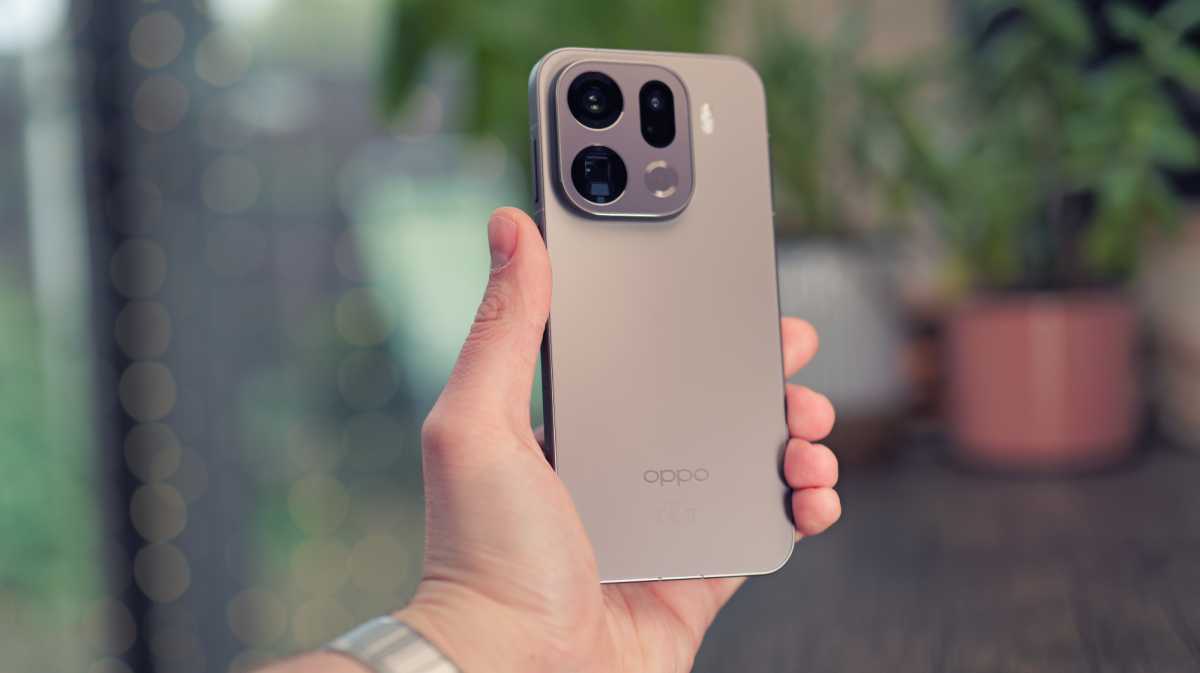
The spotlight on battery specifications in 2025 underscored the significance of extended battery life. Phones like the Oppo Find X9 Pro and Xiaomi 17 Pro Max now house 7,500 mAh batteries, nearly 50% larger than the latest iPhone 17 Pro Max or Galaxy S25 Ultra. Real-world tests confirm the longevity of these devices, lasting close to two days on a single charge.
Luke Baker
Contrary to past beliefs that larger batteries lead to bulkier phones, technological advancements have enabled manufacturers to incorporate higher energy capacity without compromising on weight or thermal performance. Despite these advancements, renowned companies like Apple and Samsung have been conservative in offering extended battery life, lagging behind Chinese counterparts in providing superior battery performance.
Their reluctance is not due to safety concerns but rather a lack of competition in prominent markets, reducing the pressure to innovate. Meanwhile, Chinese brands continue to push boundaries, setting new standards for battery longevity and charging speeds. It’s time for consumers to demand extended battery life, as mid-range devices outlast premium flagships, challenging the notion of premium features.
When a mid-range phone lasts two days while a £1,200/$1200 flagship struggles to make it through one, the idea of premium begins to lose its meaning
Seamless PC Connectivity
The lack of cohesive PC integration in 2026 is a glaring issue, highlighting the fragmented user experience across devices. Apple has excelled in creating an ecosystem where Mac, iPhone, and iPad seamlessly communicate, allowing seamless data transfer and communication between devices. Conversely, Android and Windows attempts at replicating this experience fall short, with Samsung’s DeX showcasing potential limited to specific hardware requirements.
Microsoft’s Phone Link has made strides in enhancing PC-phone connectivity, yet it grapples with inconsistent performance, delayed notifications, and compatibility issues across various Android manufacturers. The disparity in user experience between Pixel, OnePlus, and Xiaomi devices underscores the need for universal standards that facilitate effortless communication between any Android phone and Windows PC.
Enhanced Haptic Feedback
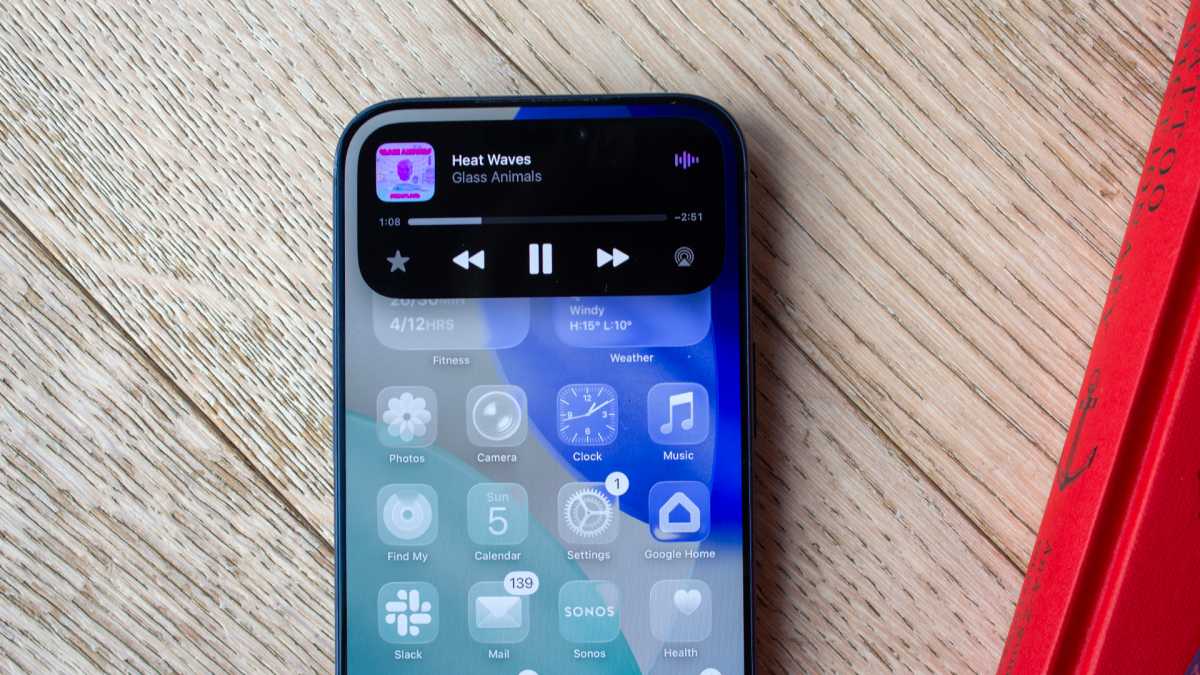
Although seemingly trivial, superior haptic feedback plays a pivotal role in enhancing user experience. Many Android devices, including premium models, struggle to deliver precise haptic feedback, often resulting in subpar vibration responses. Unlike the subtle and precise feedback found in iPhones and Pixels, some devices employ low-quality vibration motors that fail to replicate the nuanced tactile experience.
Britta O’Boyle
Superior haptic feedback enhances user interaction, making tasks like typing, unlocking, and scrolling more tactile and responsive. It also aids accessibility by providing non-visual confirmation of actions. In gaming and creative applications, quality haptics can elevate the immersive experience, adding a physical dimension to interactions.
The tactile feel of a phone significantly impacts user perception, transcending the allure of advanced displays and powerful processors. A premium user experience hinges on the subtleties of haptic feedback, underscoring its importance in overall device satisfaction.
The tactile feel of a phone significantly impacts user perception, transcending the allure of advanced displays and powerful processors
Prioritizing Essential Features
While acknowledging the benefits of AI functionalities, the tech industry’s fixation on AI gimmicks over fundamental hardware enhancements is concerning. Valuable upgrades like rapid charging, extended battery life, seamless PC integration, and superior haptic feedback often take a back seat to flashy AI features. It’s imperative to focus on elements that truly enhance daily usability and enrich the overall smartphone experience.

