Insight provided by Advanced Intelligence
To Recap:
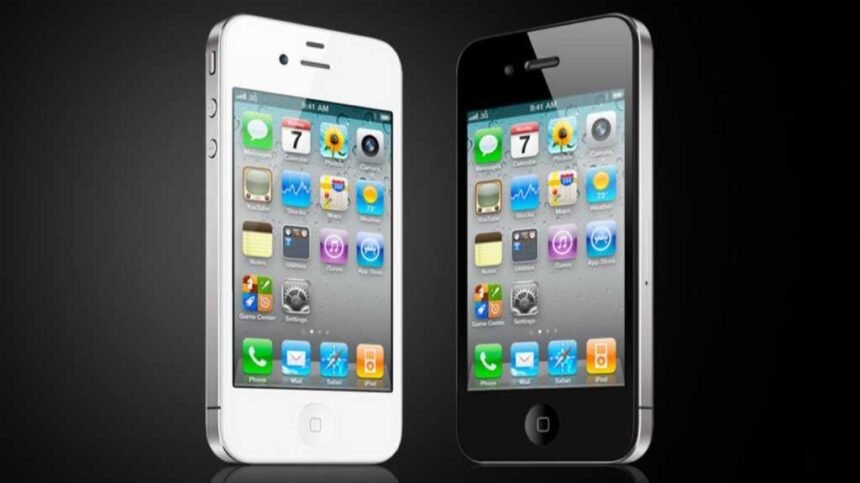
- With the resurgence of the iPhone 4 in 2026, driven by a desire for authentic photography experiences amidst the digital age, caution is advised when using this outdated device for photography purposes.
- Risks associated with using the iPhone 4 include reliance on outdated software, vulnerability to security threats due to lack of updates, and limited storage capacity.
- Safe usage recommendations include refraining from using it as a primary phone, avoiding connecting to the internet, and manually transferring photos to ensure data security.
The iPhone 4 is making a comeback, attracting attention from a younger audience eager to embrace its retro charm, especially in terms of photography capabilities.
Data indicates a significant spike in searches for ‘Buy iPhone 4’ and a surge in the #digicam trend on TikTok, highlighting a shift towards simpler, more authentic imaging experiences.
While the affordability and nostalgia associated with the iPhone 4 may be appealing, it’s crucial to exercise caution when using this dated device in 2026.
Due to the lack of software updates and security patches since 2014, the iPhone 4 is highly susceptible to data breaches, malware, and other cyber threats.
However, if used prudently and solely for photography purposes, the iPhone 4 can still serve as a viable option for capturing moments without compromising personal information.
1. Avoid Inserting Your SIM Card
While it may be instinctive to transfer your SIM card to a new device, refraining from doing so with the iPhone 4 is advisable to prevent potential data exposure.
By keeping your SIM card out of the device, you can minimize the risk of sharing sensitive information such as your phone number and location.
2. Steer Clear of Internet Connectivity
Connecting the iPhone 4 to the internet, even via Wi-Fi, poses security risks due to outdated software and potential vulnerabilities.
Avoiding internet access on the device can help mitigate the chances of unauthorized access to your data by cybercriminals.
3. Refrain from Signing into Accounts
Avoid logging into sensitive accounts such as email or banking apps on the iPhone 4 to prevent exposing personal information to potential threats.
Using a separate Apple ID or avoiding account logins altogether can enhance the device’s security and protect your privacy.
4. Keep Airplane Mode Activated
Maintaining airplane mode on the iPhone 4 at all times can add an extra layer of protection against unauthorized data sharing or malicious activities.
Limiting usage to the Camera and Photos apps can streamline your experience and minimize the risk of security breaches.
5. Opt for Manual Photo Transfers
Despite the convenience of wireless transfers, opting for manual photo transfers via cable can ensure greater control over your data and storage management.
By selectively transferring photos, you can optimize storage space on the iPhone 4’s limited capacity and reduce the risk of data loss or compromise.
Embracing these precautions and best practices can enable safe and secure usage of the iPhone 4 for photography enthusiasts seeking a retro experience in the digital age.
For those inclined towards traditional cameras, exploring retro digital camera options or contemporary smartphone alternatives can cater to diverse preferences and needs.
Stay informed about the latest trends and advancements in photography technology to make informed decisions about your imaging tools.