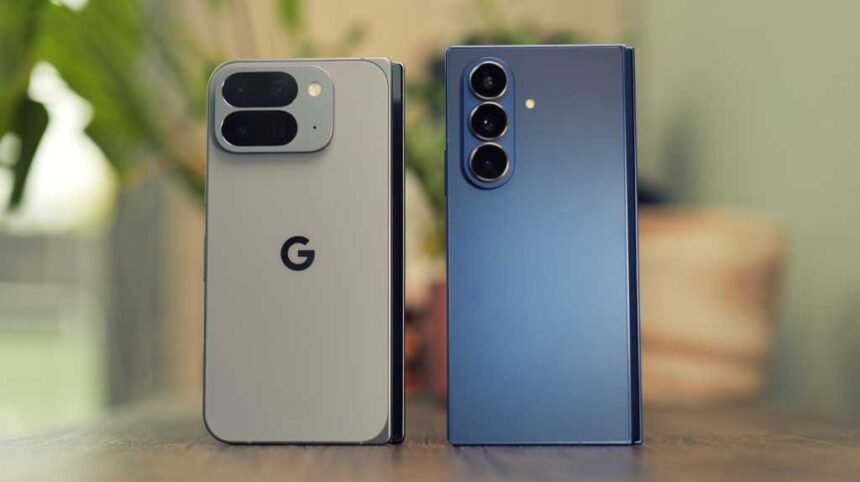
As the smartphone industry gears up for a flurry of new releases in 2026, consumers may want to take a different approach this year. With minimal innovation expected and rising prices due to global memory shortages, opting for previous generation phones could prove to be a smarter choice. Major launches from Google, Apple, and Samsung may not offer significant upgrades over current models, making it a good time to consider the ‘previous gen’ rule.
After a relatively quiet period for phone unveilings, the year 2026 is set to be packed with new releases. Google is scheduled to reveal the Pixel 10a on 18th February, followed by the iPhone 17e and the Galaxy S26 range from Samsung. With MWC 2026 just around the corner, numerous other mobile devices are also expected to be unveiled.
With so many new phones competing for attention, it might be wise to consider a different approach. As a tech journalist, I often advise friends and family to follow my ‘previous gen’ rule when it comes to purchasing phones. This rule simply suggests opting for last year’s model, which could be especially relevant in 2026.
Three key reasons support this approach in the current year. Firstly, a global shortage of memory components, driven by the demand for AI technology, is leading to higher prices for tech products, including smartphones. While some models may maintain their prices from the previous year, others are expected to see price increases, making older models more attractive.
Additionally, the lack of significant innovation in the upcoming phone releases is a notable factor. Rumors suggest that 2026 smartphones will offer minimal upgrades over their predecessors, signaling a plateau in technological advancements. Manufacturers have struggled to introduce compelling new features, potentially making last year’s models a more sensible choice.
Furthermore, the increasing trend of extended software support for Android devices adds to the appeal of previous generation phones. With many manufacturers now offering up to seven years of software updates, older models can remain relevant and functional for a longer period. Considering the significant discounts available for phones that are just a year old, investing in the latest model may not always be the most cost-effective decision.
As the year unfolds and new phones are officially launched, the 2026 lineup may ultimately disappoint consumers seeking groundbreaking innovations. While the future of 2027 remains uncertain, following the ‘previous gen’ rule could lead to a more valuable purchase for your next smartphone, even if it’s not the latest model on the market.