

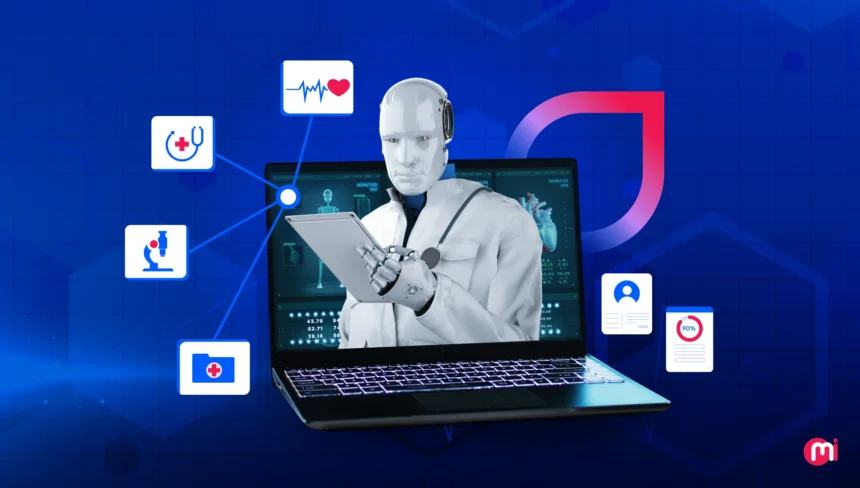
Imagine a scenario where a patient presents with chest pain at the emergency room, and the electronic health record (EHR) is cluttered with extensive data from multiple specialists over the years. The attending physician, pressed for time, struggles to find crucial information quickly to make an accurate diagnosis. This situation is common in hospitals despite having EHR systems in place. AI in EHR has emerged as a lifesaver in such instances, enabling the system to locate vital data efficiently and assist doctors in making informed decisions. By 2025, EHR systems integrated with predictive AI have shown an 80% improvement in patient outcomes, making AI an essential tool for healthcare organizations. Let’s delve deeper into the integration of AI into existing EHR and EMR systems, its benefits, use cases, compliance considerations, and implementation strategies.
Optimizing Your Healthcare Systems: Integrating AI with EHR & EMR Platforms


Leave a comment