Discussion on Collective Moral Imagination and Human Decisions
As artificial intelligence (AI) continues to progress, human decision-making is evolving through systems that integrate human judgement with machine input. For these systems to operate efficiently, we need to stay informed and utilise moral imagination, the ability to assess, imagine, and handle complex situations with creativity and empathy.
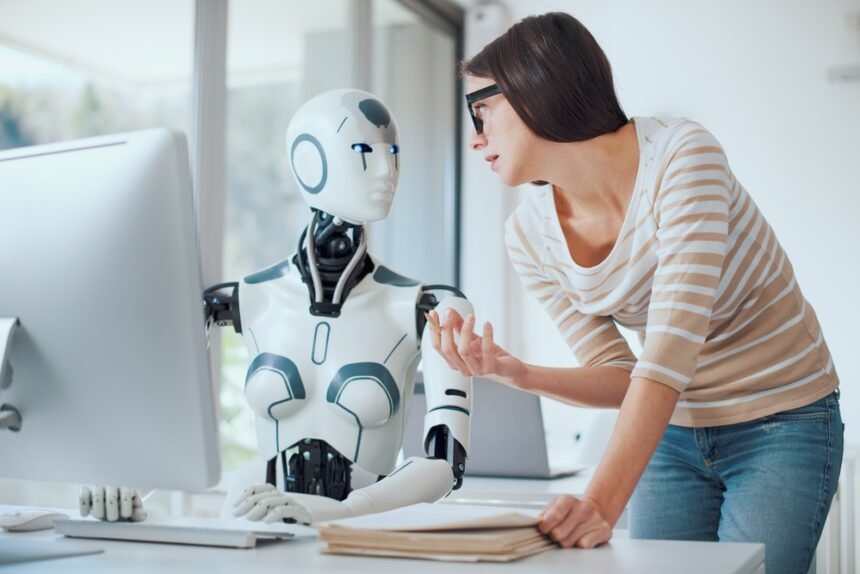
Creating a collective moral imagination between humans and machines is crucial today. By combining human empathy and contextual understanding with AI’s capabilities, organisations can make more inclusive, responsible, innovative, and creative decisions.
In sectors such as healthcare, autonomous vehicles, and finance, this approach can yield results that are both effective and ethically sound.
A collective moral imagination should encompass humans and machines working collaboratively to reimagine ethical solutions, foster open dialogues, and promote a shared moral responsibility.
Exploring Decision-making Domains
Healthcare Sector
The integration of AI in the healthcare sector holds the potential to enhance the doctor-patient relationship, paving the way for personalised care and improved well-being. AI’s ability to personalise care, optimise resources, and support mental and physical well-being signifies a shift towards more responsive and humane healthcare practices.
According to a World Economic Forum 2025 report, AI software has shown promising results in diagnosing and treating various conditions, demonstrating the potential for improved healthcare outcomes through the collaboration of AI and human expertise.
Financial Sector
In the financial sector, AI is revolutionising financial planning by offering personalised solutions and enhancing risk assessment processes. To address bias and ensure fairness, organisations must implement strategies to assess datasets rigorously, evaluate performance metrics continuously, and utilise explainable AI methods for transparency in decision-making.
By combining algorithmic precision with human moral awareness, financial institutions can promote fairness in credit rating, lending practices, and anti-fraud measures, aligning with ethical principles and regulatory standards.
Autonomous Vehicles
The development of autonomous vehicles presents an opportunity for humans and machines to collaborate in creating ethical systems that prioritize diverse perspectives and innovative solutions. By fostering dialogue between humans and machines, organisations can make ethically responsive decisions that consider a wide range of factors.
Through initiatives like the Moral Machine, which blends AI situational awareness with human ethical reflection, autonomous vehicles can navigate complex moral dilemmas while prioritising safety and ethical considerations.
Fostering Collective Moral Imagination
As humans and machines collaborate in decision-making processes, it is crucial to align these efforts with a collective moral imagination that integrates the outputs of both parties. By developing systems that encourage ethical collaboration between humans and machines, we can work towards building a sustainable and responsible future.