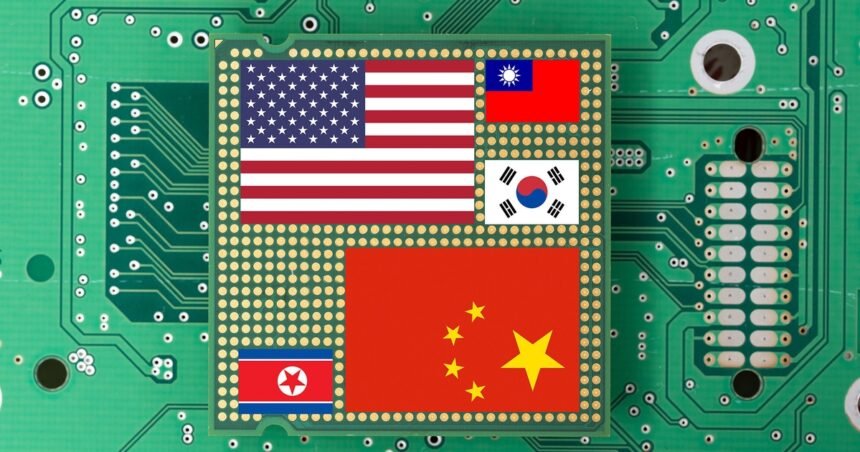
The semiconductor industry is currently facing a trillion-dollar chess game as immediate tariff impacts continue to reverberate throughout the supply chain. Nvidia, a leading player in the market, has recently raised prices on its AI GPUs and graphics cards, citing increased manufacturing expenses and new U.S. tariffs on imported parts as the primary reasons for the price hikes. This move has resulted in gaming models seeing a 5-10% increase in prices, while high-end AI accelerators have seen hikes of up to 15%.
TSMC, the top contract chipmaker globally, is also considering a 10% price increase for advanced wafers. The cost to produce 4nm chips at its Arizona facility is approximately 30% higher than in Taiwan, reflecting the premium associated with U.S.-based manufacturing. These price increases are likely to be passed on to consumers, leading to higher prices for electronics ranging from smartphones to automobiles. Despite these challenges, the industry is currently experiencing strong demand for AI, which is helping to offset some of the negative effects of the tariffs.
The semiconductor industry has seen sharp swings in response to tariff news, with companies like Tokyo Electron initially experiencing a drop in shares following tariff announcements, only to rebound after a pause was declared. This unpredictability has led manufacturers to delay equipment purchases and rethink global strategies, potentially stunting industry growth in the coming year.
The impact of recently imposed tariffs on semiconductor forecasts has been measurable, leading to adjustments in unit shipment growth forecasts for products with high semiconductor content. Omdia has revised forecasts in multiple application categories to reflect the current conditions influenced by the tariffs implemented in April 2025. The increase in semiconductor revenue for these products is largely attributed to the full effect of the tariffs, indicating a significant market impact.
The semiconductor industry is undergoing a strategic shift towards treating manufacturing as a key asset. Tariffs and other policy shifts are not only being used as protectionist tools but also as incentives for reshoring operations to enhance production capabilities. This shift is fundamentally changing how companies approach their operations, moving away from global efficiencies towards building more regionally resilient ecosystems to secure the supply chain.
One of the most concerning aspects of the current landscape is the growing competition for critical materials essential to semiconductor manufacturing. China’s control over global mining production and processing capacity for these materials has led to significant vulnerabilities in supply chains. Countries are actively working to reduce this dependency, but alternative sources require time and substantial investment to develop.
The semiconductor industry is rapidly moving from global integration towards regional ecosystems that prioritize political alignment and supply chain redundancy. Tighter export controls, targeted tariffs, and pressure to localize supply chains based on geopolitical alignment are all shaping this evolving landscape. Companies may soon need to adapt their chip design and manufacturing processes to meet the requirements of different regions, driving significant strategic investments worldwide.
The United States is tightening export controls on advanced technology to China and ramping up domestic semiconductor manufacturing. TSMC has announced a significant increase in its U.S. investment, with plans for new fabrication plants and the introduction of advanced chip processes. Meanwhile, China is pursuing a self-reliance strategy by channeling resources into building domestic capabilities and pressuring industries to source chips locally.
Europe is focusing on strategic projects like the Dresden Corridor in Germany to reduce reliance on Asia and the U.S., while facing challenges like energy costs and labor shortages. Japan is making substantial commitments to invest in semiconductors and AI, with the government stepping in as a major shareholder in AI chip maker Rapidus. India is quickly emerging as a global player in semiconductors, attracting major investments and partnerships from international firms.
The tariff landscape is having profound effects on AI chip development, creating challenges and opportunities in this critical sector. As AI becomes central to national security and economic competitiveness, the race to develop and control advanced AI chips has intensified. The restrictions on semiconductor equipment exports to China have led to a divergence in development paths, with companies on both sides seeking competitive advantages through innovative designs.
Semiconductor companies are adopting creative approaches to navigate the fragmented landscape, including dual-shoring models, strategic relocations, and non-traditional players entering the field. The industry is seeing increased investment in automation and advanced manufacturing capabilities to meet the demands of reshoring production and regional resilience. Despite the challenges posed by higher costs and supply chain complexities, technological advancement continues at a rapid pace.
The semiconductor industry is transitioning from a model focused on global efficiency to one prioritizing resilience and security. Supply chain resilience and sustainability have become strategic priorities, leading companies to diversify production, secure critical minerals, and revive older chips to stay ahead. Manufacturing is no longer just a cost center but a source of competitive advantage reshaping the entire value chain. The decisions made today will shape the future of an industry that powers every aspect of modern life.