

Venture capitalists unanimously agree that investing in AI startups requires a unique approach compared to previous technological advancements.
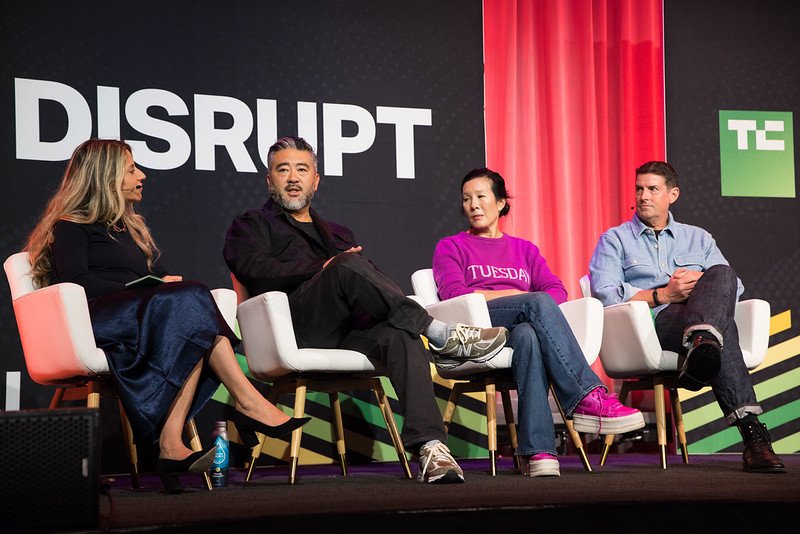
When it comes to supporting AI startups, venture capitalists are navigating uncharted territory. Aileen Lee, the founder of Cowboy Ventures, emphasized the unprecedented nature of the current investment landscape during TechCrunch Disrupt 2025. She highlighted the significant shift in investing rules, especially as some AI companies achieve remarkable revenue growth, reaching up to $100 million in just one year.
Despite the rapid revenue growth seen in some AI startups, Aileen Lee revealed that Series A investors are not solely focused on this metric. She described the investment process as an intricate algorithm with multiple variables and coefficients to consider. Factors such as data generation, competitive advantage, founders’ track records, and product technical depth now play a crucial role in investment decisions.
Jon McNeill, the CEO of DVx Ventures, echoed Aileen Lee’s sentiments by noting the evolving nature of startup funding dynamics. Even startups that swiftly reach $5 million in revenue face challenges in securing follow-on funding. Series A investors are imposing stringent criteria on seed-stage startups, mirroring the standards previously reserved for more established companies.
McNeill emphasized the importance of a robust go-to-market strategy over cutting-edge technology in attracting investors. While acknowledging the significance of a strong product, he stressed the founders’ need to prioritize sales and marketing strategies from the outset. Investors are increasingly emphasizing the importance of a well-executed go-to-market approach for startup success.
Techcrunch event
San Francisco
|
October 13-15, 2026
Steve Jang, from Kindred Ventures, countered the notion that a strong go-to-market strategy outweighs technological innovation in attracting investor interest. He emphasized the necessity of excelling in both areas for startup success. The debate between marketing and technology’s role in startup growth was further explored during the conference, with conflicting opinions on the ideal approach.
Aileen Lee emphasized the relentless pace at which AI startups must deliver product updates and new features to stay ahead of competitors. The pressure to innovate quickly and maintain product quality is driving startups to outpace established companies in introducing new offerings.
Despite the intense competition and rapid development pace, panelists agreed that the AI industry is still in its infancy. Jang highlighted the absence of clear market leaders, indicating opportunities for new startups to challenge established players in the field.
As the AI industry continues to evolve, startups have the potential to disrupt the status quo and emerge as industry leaders, regardless of their age or background.

