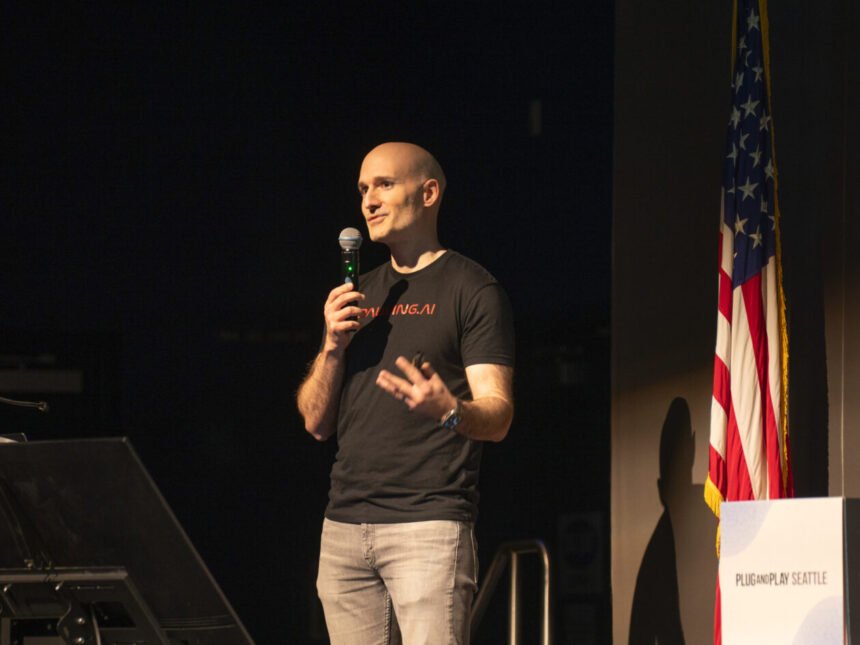
A tech startup in the Seattle area known as Pauling.AI is using artificial intelligence to automate the early stages of drug discovery. According to founder and CEO Javier Tordable, the technology can complete tasks in a matter of weeks that previously required three to six months.
Utilizing AI to expedite research timelines could potentially lead to a significant increase in new treatments, advocates argue.
“The dream of many in the field is that, at some point, we could see a jump from 30 or 40 new drugs approved annually to 300 or 400,” Tordable stated, “ultimately curing a wide range of diseases.”
Tordable established the company in 2024 after spending 16 years at Google, where he served as the technical director of the company’s healthcare and life sciences projects. Despite lacking expertise in biology or chemistry, Tordable is adept at creating tech tools capable of handling complex tasks required for developing new pharmaceuticals.
The startup operates on a “scientist-as-a-service” model, enabling researchers to delegate early drug discovery tasks to AI. The platform conducts computational chemistry work, designs drug candidates, and simulates their interactions with molecules and inhibitors within a cell.
This approach yields a curated list of small-molecule compounds that scientists can then test in a physical laboratory as potential therapies. In the future, Pauling aims to develop more intricate compounds like antibodies as drug candidates.
To achieve this, Pauling is developing automation tools that interface with existing large language models and databases from various sources.
The startup has a remote team of six employees, with Chief Scientific Officer Oleksandr Savytskyi, a computational biologist who previously worked in academia in Ukraine and conducted research at the Mayo Clinic.
Pauling has received an undisclosed amount of pre-seed funding from Flex Capital and angel investors. It currently serves fewer than a dozen clients, including several prominent academic institutions, Tordable mentioned.
The company joins a growing sector of AI-biotech startups, including Variational AI in Vancouver, B.C.; Seattle-based Potato and Synthesize Bio; and Xaira Therapeutics, headquartered in San Francisco with labs in Seattle. Additionally, FutureHouse, a California nonprofit, operates in this realm.
Ultimately, Tordable envisions that by reducing the time and cost of drug development, it will become financially viable to address rare diseases often overlooked by major pharmaceutical companies, offering treatments and cures to underserved patients.
“The beauty of working in this field is that we’re not solely driven by economic gains,” Tordable emphasized. “There’s also a tremendous benefit to humanity.”