CES 2026 is currently underway in Las Vegas, with the show welcoming the public after a series of busy days filled with press conferences from major players like Nvidia, Sony, and AMD, as well as previews from Sunday’s Unveiled event.
As has become the norm over the past couple of years at CES, artificial intelligence (AI) remains a central theme in many companies’ presentations. However, traditional hardware upgrades and quirky innovations that have characterized the annual event still hold their place both on the show floor and in related announcements. This article will highlight the major reveals and surprises from the event, with real-time insights from our on-site team available through our live blog.
Let’s jump right in by exploring some of the key players from Monday’s lineup.
Nvidia Unveils AI Model for Autonomous Vehicles and Showcases Rubin Architecture
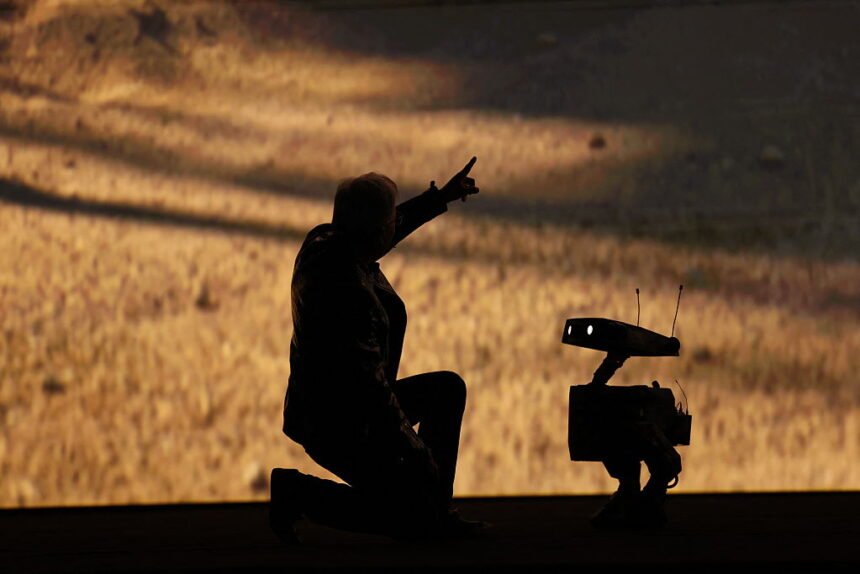
During CES, Nvidia’s CEO Jensen Huang delivered an extensive presentation, celebrating the company’s achievements driven by AI, setting the stage for 2026, and even spending time interacting with robots.
The Rubin computing architecture, designed to meet the growing computational demands of AI adoption, is slated to replace the Blackwell architecture in the latter half of this year. Offering enhanced speed and storage capabilities, our Senior AI Editor Russell Brandom delves into the specifics that set Rubin apart.
In its commitment to bring the AI revolution into tangible applications, Nvidia showcased its Alpamayo family of open-source AI models and tools intended for use in autonomous vehicles this year. This strategy, as highlighted by Senior Reporter Rebecca Bellan, aligns with the company’s broader vision of making its infrastructure the go-to platform for generalist robots.
AMD’s Keynote Emphasizes New Processors and Collaborations
AMD’s Chair and CEO Lisa Su took the stage for the first keynote at CES, featuring collaborations with industry leaders such as OpenAI President Greg Brockman, AI luminary Fei-Fei Lei, Luma AI CEO Amit Jain, and others.
Techcrunch event
San Francisco
|
October 13-15, 2026
Going beyond these partnerships, Senior Reporter Rebecca Szkutak discussed AMD’s strategy to expand AI accessibility through personal computers utilizing its Ryzen AI 400 Series processors.
Boston Dynamics and Google Collaborate on Atlas Robots
Hyundai’s press conference centered on its robotics partnerships with Boston Dynamics, revealing a collaboration with Google’s AI research lab to train and manage existing Atlas robots, alongside a new iteration of Atlas showcased during the event. Transportation Editor Kirsten Korosec provides a comprehensive overview of the developments.
Amazon’s introduction of Alexa+ with a focus on AI is generating significant buzz at CES. The company rolled out Alexa.com for Early Access customers seeking to leverage the chatbot through browsers, along with a revamped bot-centric app. Consumer Editor Sarah Perez offers insights into these updates, as well as Amazon’s enhancements to Fire TV and the introduction of Artline TVs featuring Alexa+ integration.
On the Ring front, Consumer Reporter Ivan Mehta outlines the array of announcements, ranging from fire alerts to an app store for third-party camera integration, and more.
Razer Enters the AI Arena with Project AVA and Motoko
Razer, known for its extravagant hardware showcases at CES in the past, unveiled two attention-grabbing projects this year. Project Motoko aims to function similarly to smart glasses but without the need for actual glasses.
Additionally, Project AVA introduces an AI companion in avatar form to sit on your desk. Check out the concept video for a glimpse of this innovative project.
Lego Makes Its CES Debut with Smart Bricks
Marking its first appearance at CES, Lego showcased its Smart Play System in a behind-closed-doors event. The system includes bricks, tiles, and Minifigures that can interact and produce sounds, with initial sets featuring a Star Wars theme. Senior Writer Amanda Silberling provides a detailed overview of Lego’s foray into the event.
The Benefits of Outdoor Exercise
Exercising outdoors offers a wide range of benefits that can improve both physical and mental well-being. Whether you prefer running, hiking, cycling, or practicing yoga in the park, there are countless ways to enjoy the great outdoors while getting in a great workout.
One of the main advantages of outdoor exercise is the opportunity to connect with nature. Being surrounded by trees, fresh air, and natural scenery can help reduce stress levels and improve overall mood. Studies have shown that spending time outdoors can lower blood pressure, reduce anxiety, and boost feelings of happiness and well-being.
Another benefit of outdoor exercise is the variety of terrain and environments that can challenge your body in different ways. Running on trails or hiking up hills requires more stability and balance than running on a treadmill, which can help improve strength and coordination. Cycling on uneven terrain can also provide a more intense workout for your legs and core muscles.
Additionally, outdoor exercise can help increase your vitamin D intake. Sunlight is a natural source of vitamin D, which is essential for strong bones and a healthy immune system. Spending time in the sun while exercising can help boost your vitamin D levels and improve overall health.
Finally, exercising outdoors can provide a sense of freedom and adventure that you may not experience in a gym or indoor setting. Whether you’re exploring a new trail or simply enjoying the fresh air, outdoor exercise can be a fun and exhilarating experience that can help you stay motivated and engaged in your fitness routine.
Overall, incorporating outdoor exercise into your workout routine can have numerous benefits for both your physical and mental health. So next time you’re looking to break a sweat, consider taking your workout outside and enjoy all that nature has to offer.