

Summary:
1. Grab is looking at automation to combat rising labor costs and tighter delivery margins, acquiring Infermove to bring robotics capability in-house.
2. The company aims to use robots trained on real-world movement data to enhance delivery efficiency, focusing on selective automation in certain segments of their operations.
3. The move reflects a broader trend among digital platforms to embed AI deeper into core operations to sustain service levels while managing cost pressures.
Article:
In response to escalating labor expenses and shrinking delivery margins, major platform operators like Grab are turning to automation as a solution. Grab recently acquired Infermove to bolster its robotics capabilities, signaling a strategic shift towards internalizing the development of automation technologies.
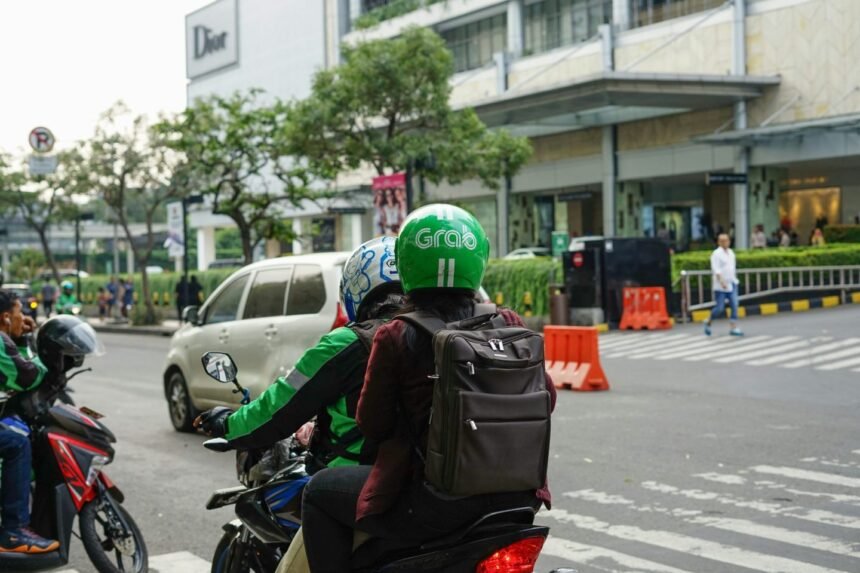
Operating on a massive scale across Southeast Asia, Grab handles millions of deliveries, many of which are carried out by riders navigating dense urban environments on scooters and bicycles. This complexity limits the extent to which automation can replace human labor. By acquiring Infermove, a company specializing in robots designed for unstructured settings, Grab recognizes the potential of physical-world AI to augment its delivery network beyond pilot programs.
Rather than relying on off-the-shelf systems, Grab aims to leverage Infermove’s technology, which is trained on real-world movement data, including insights from non-motorized delivery vehicles. This approach enables robots to navigate pavements, crossings, and crowded drop-off points based on actual user behavior, rather than simulated environments.
While automation is not positioned as a direct replacement for human riders, Grab sees potential in deploying robots in structured first-mile or last-mile segments where tasks are repetitive and distances are short. By selectively integrating automation, Grab aims to smooth demand spikes, reduce delays during peak hours, and mitigate pressure during labor shortages.
The acquisition of Infermove underscores Grab’s commitment to aligning AI, data, and physical operations. By internalizing robotics development, Grab gains greater control over deployment pace, operating scope, and cost efficiencies. This strategic move not only enhances operational efficiency but also reduces reliance on external vendors whose priorities may not fully align with Grab’s regional footprint and economic realities.
As the on-demand delivery landscape continues to evolve, the integration of automation into core operations becomes essential for sustaining service levels amidst escalating cost pressures. By closely linking AI with physical operations, Grab positions itself at the forefront of innovation in the delivery and logistics sector, paving the way for sustainable growth in a challenging economic environment.

