Summary:
1. The 2026 State of European Data Centres Report by EUDCA highlights the shift towards a more distributed, energy-integrated, and AI-driven digital ecosystem in Europe.
2. The data centre sector is expanding due to AI hyper-development, with growth spreading beyond traditional hubs to Southern Europe, the Nordics, CEE, and Tier2 metropolitan areas.
3. The industry faces challenges such as energy availability constraints, but continues to grow significantly, contributing to Europe’s competitiveness and security.
Article:
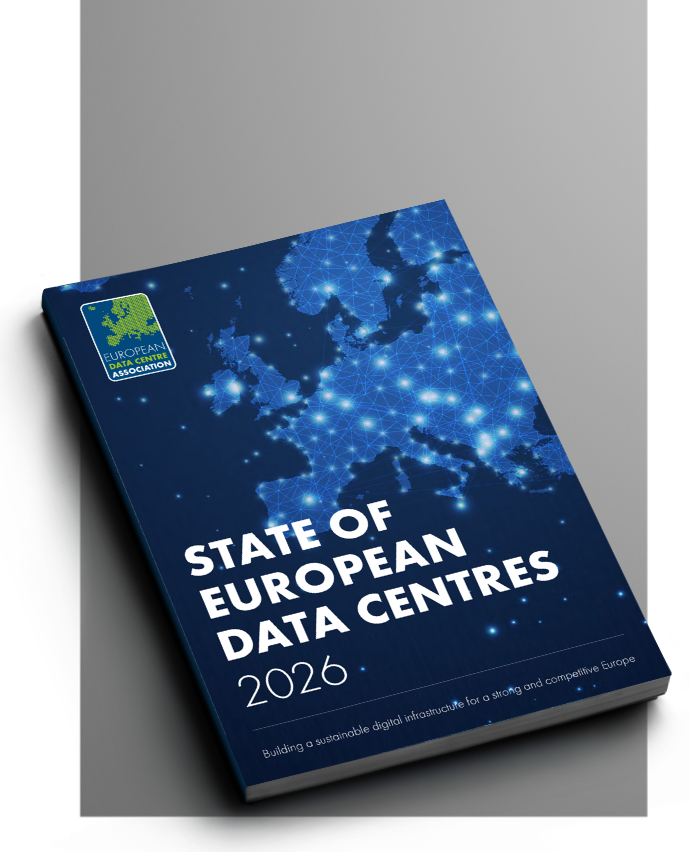
The European Data Centre Association (EUDCA) recently unveiled its latest report, the 2026 State of European Data Centres Report, shedding light on the changing landscape of data centres in the region. The report indicates a notable shift from hub-centric development to a more distributed, energy-integrated, and AI-driven digital ecosystem. This transformation is driven by the rapid advancement of AI technology, leading to an expansion and evolution of Europe’s data centre sector.
While the growth of data centres in Europe is promising, it is not without its challenges. Energy availability and access remain key constraints for the industry. Despite these obstacles, the EUDCA report shows that the sector is expanding beyond traditional hubs like Frankfurt, London, Amsterdam, Paris, and Dublin (FLAP-D), reaching into Southern Europe, the Nordics, Central and Eastern Europe (CEE), and selected Tier2 metropolitan areas.
Data centres are no longer just supporting cloud services; they are now essential infrastructure for Europe’s competitiveness and security, especially as the demand for AI-ready environments increases. The report reveals that European IT capacity has seen a significant rise from 10,539 MW in 2023 to 14,784 MW in 2025, surpassing initial predictions. With an anticipated €176 billion in investment from 2026 to 2031, the industry is poised for further growth.
New infrastructure developments are focusing on scale colocation campuses and AI-optimized facilities to meet the demands of AI developers and emerging cloud-adjacent platforms. The industry is experiencing a compound annual growth rate (CAGR) exceeding 25%, with hyperscale data centres and ‘neoclouds’ leading the way in providing ultra-high-density compute power.
However, energy limitations pose a significant challenge for data centre operators, with power availability listed as a top concern for two-thirds of industry players. As AI clusters drive rack densities beyond 100kW, the industry is exploring design and operational adaptations, including the adoption of liquid cooling architectures.
Despite these challenges, the socioeconomic impact of the data centre industry remains substantial, contributing €53 billion to GDP in 2025 and expected to rise to €137.5 billion by 2031. The industry also directly supports over 300,000 skilled jobs and benefits local communities through district heating support and renewable power agreements.
To address energy challenges and ensure sustainable growth, the industry is embracing initiatives like the Energy Efficiency Directive (EED), which promotes harmonized reporting and transparency. Additionally, efforts around water usage and heat reuse are being made across Europe to optimize resource utilization.
In conclusion, the 2026 State of European Data Centres Report underscores the need for industry collaboration with policymakers to improve grid investment and reform. By addressing energy challenges and working towards a sustainable digital economy, Europe has the potential to play a significant role in AI-ready infrastructure and maintain its competitiveness in the global market.