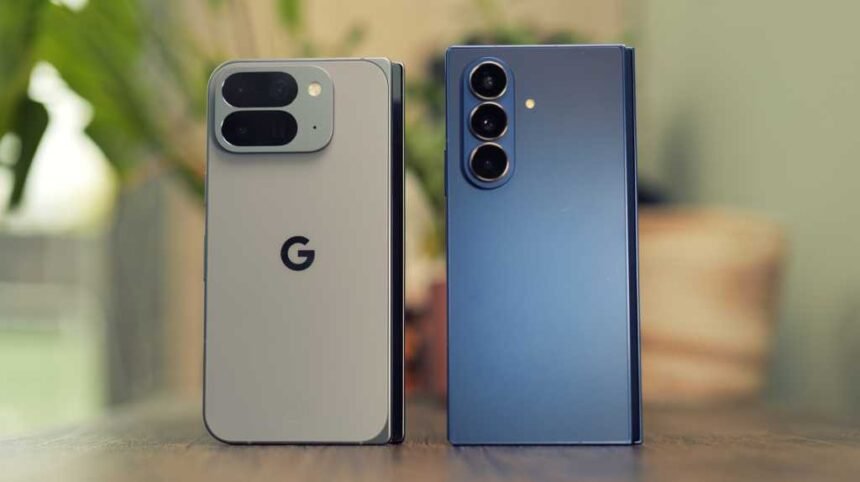
Google is gearing up to reveal the Pixel 10a, while Apple and Samsung have their own launches scheduled. The tech world is abuzz with anticipation for these new devices, but is it worth the investment? As a tech journalist, the author suggests considering the ‘previous gen’ rule when it comes to buying smartphones in 2026. This rule advises opting for last year’s model, as new releases may offer minimal innovation at a higher cost. Memory shortages driven by AI demand are also pushing up component costs, leading to potential price hikes for new devices. With extended Android support providing 6-7 years of updates, older models like previous Pixels and Galaxy phones could be excellent value alternatives. So, before you get swept up in the excitement of the latest releases, consider the value and performance of sticking to the ‘previous gen’ rule this year.
Memory shortage
The technology world is facing a shortage of memory, partly due to the AI boom. This scarcity is driving up costs for components like those used in smartphones. As a result, consumers may see increased prices for devices like the Galaxy S26 and Xiaomi 17 Ultra. Xiaomi’s President predicts a significant rise in retail prices, indicating a challenging year ahead for smartphone costs. While some models may maintain their prices, others are expected to see price increases, making the case for considering previous generation options.
Lack of innovation
Rumors and leaks surrounding upcoming smartphones suggest a lack of significant innovation in 2026 models. With incremental improvements and minor changes, new devices may not offer substantial upgrades over their predecessors. This stagnation in innovation could make investing in the latest models less compelling, especially considering the potential price hikes. Even flagship devices like the Pixel 10a and Galaxy S26 may offer little in terms of groundbreaking features, urging consumers to think twice before upgrading.
Long software support
One positive aspect of the smartphone market is the increasing focus on long-term software support. Android manufacturers are pledging extended updates for their devices, ensuring users receive security and OS updates for up to 6-7 years. This longevity in software support means that even older models can remain relevant and functional for a longer period. With the previous gen rule gaining strength, purchasing a slightly older device with robust software support may offer better value than investing in the latest models.
A fallow year?
While the official launches of 2026 smartphones are yet to happen, early indications suggest a possible lack of significant advancements in this year’s models. If predictions hold true, 2026 could be a year of incremental updates rather than groundbreaking changes. Looking ahead to 2027, the future remains uncertain, but for now, following the previous gen rule could lead to a more sensible and cost-effective smartphone purchase. By considering older models with extended software support, consumers can make informed decisions that prioritize value and performance over the allure of the latest releases.