The rapid growth of the global market for refurbished consumer electronics has solidified the importance of refurbishment in the circular economy. In Europe, where sustainability and resource efficiency are key priorities, the refurbishment of smart devices is gaining recognition as a vital industry with significant growth potential. This sector encompasses various technological and operational disciplines, including flexible robotics, machine vision, artificial intelligence (AI), reverse logistics, and materials circularity.
The expansion of the secondary market for consumer electronics worldwide has highlighted the critical role of refurbishment in promoting a circular economy. In regions like Europe, where sustainability and carbon reduction are paramount, the refurbishment of smartphones and smart devices is increasingly seen as a strategic sector with long-term growth prospects. This industry intersects with multiple technological and operational fields, such as flexible robotics, machine vision, AI, reverse logistics, and materials circularity.
Refurbishment automation presents unique challenges due to the diversity and variability of used smart devices. Unlike traditional manufacturing processes, refurbishment facilities encounter a wide range of device types, conditions, and software states, making automation a complex and demanding task. The societal and environmental benefits of prolonging the lifespan of smart devices are significant, reducing electronic waste, preserving resources, and offering consumers affordable alternatives. As the industry expands, the need for scalable and standardized refurbishment processes becomes increasingly urgent, with automation being the key to meeting this demand efficiently.
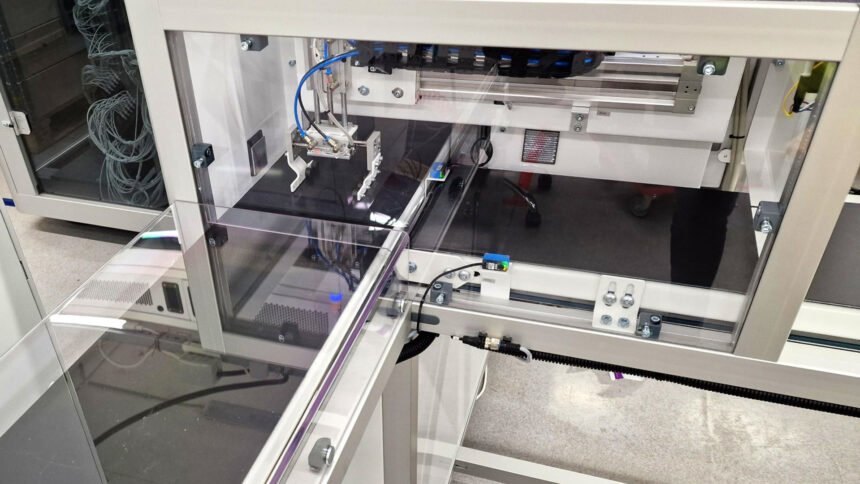
In this evolving landscape, Wisematic, a Finnish automation company specializing in flexible automation solutions, has emerged as a key innovator in refurbishment automation. With a focus on automating early-stage device preconditioning, Wisematic has leveraged its expertise to address some of the most challenging aspects of refurbishment. The company’s role in streamlining refurbishment processes and overcoming obstacles is crucial for the industry’s advancement.
The challenges in refurbishment automation are multifaceted, stemming from the high diversity of devices and configurations, uncertain physical conditions of used devices, a wide range of tasks required in the refurbishment process, rapidly changing device technologies, and complexities in software and data erasure. Overcoming these challenges is essential for the sustainable management of electronic waste and the efficient reuse of valuable resources.
Improving refurbishment automation is critical for achieving environmental sustainability, economic competitiveness, and consumer trust. Extending the lifespan of smart devices reduces the demand for raw materials, lowers operational costs, enhances product quality, and meets the rising demand for refurbished devices in the market. Automation not only improves efficiency but also ensures consistency and reliability in device processing, benefiting both businesses and consumers.
Wisematic’s success in automating the preconditioning phase of refurbishment, solving complex automation cases, and designing modular systems for future scalability demonstrates its commitment to innovation and excellence in the field. While the company has achieved significant milestones, it also faces hurdles such as extreme device variation, lack of standardization across manufacturers, and increasing mechanical complexity of devices. Addressing these challenges requires continuous research, collaboration, and adaptation to evolving market trends.
In conclusion, smart device refurbishment plays a crucial role in Europe’s circular economy, promoting sustainability and digital resilience. Wisematic’s advancements in refurbishment automation, combined with industry-wide standardization and regulatory support, are key to realizing a future where automation drives a circular electronics economy. By leveraging flexible automation technologies, fostering collaboration between stakeholders, and embracing end-to-end automation solutions, Europe can lead the way in sustainable device lifecycle management.