Summary:
1. Germany has approved the purchase of Lockheed’s F-35 stealth fighter jets.
2. Germany is considering buying 35 additional F-35s as it moves away from the Future Combat Air System program.
3. Lockheed Martin stock rose after the news broke, but the company’s valuation may be a concern for some investors.
Article:
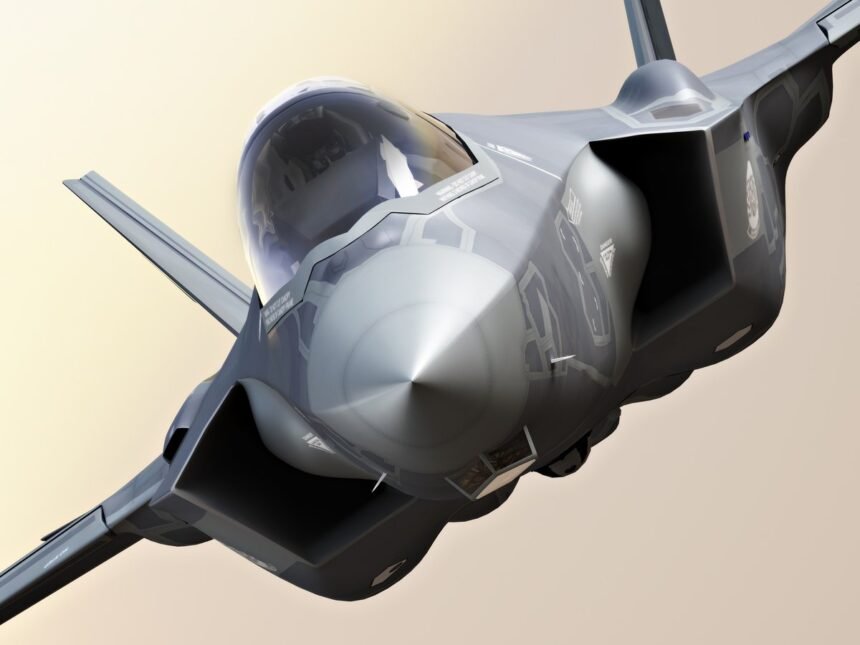
Germany has recently given the green light for the acquisition of Lockheed’s F-35 stealth fighter jets, a move that has sparked interest and speculation in the defense industry. The country’s air force is reportedly looking to order up to 36 new F-35 jets from the U.S. defense contractor, Lockheed Martin. This decision comes as Germany appears to be shifting away from the idea of collaborating with France and Spain on the development of a sixth-generation fighter jet under the Future Combat Air System program.
The FCAS program has faced challenges in getting off the ground, with projections suggesting that the new jet may not be ready for service until as late as 2045. This timeline is considered too far in the future for immediate military needs, especially amid concerns about potential conflicts with Russia. As a result, Germany has already placed an order for 35 F-35 fighters from Lockheed, with the first deliveries expected to arrive this year. The possibility of purchasing an additional 35 or more F-35s is now being explored as Germany reevaluates its involvement in the FCAS program.
Lockheed Martin’s stock saw a 2% increase following the news of Germany’s interest in the F-35 jets. However, some investors may have reservations about the company’s valuation, given that the stock is currently trading at 30 times earnings and more than twice its annual sales. While Lockheed Martin remains a prominent player in the defense industry, concerns about the stock’s valuation may deter some investors from considering it a buy at this time. Despite this, Lockheed Martin continues to demonstrate strong performance and remains a key player in the production of the F-35 stealth fighters, which are becoming increasingly popular among various countries worldwide.