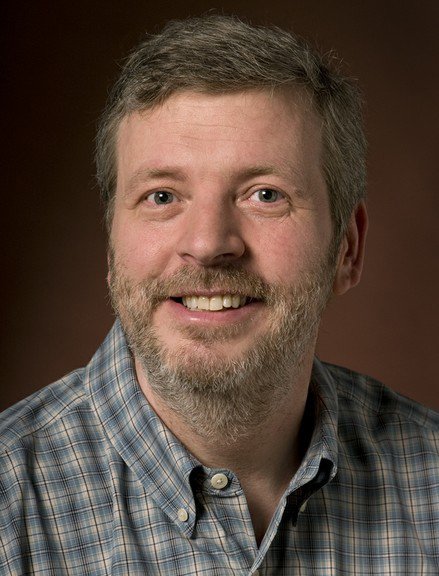
Stuart Reges, a long-standing professor at the University of Washington’s Paul G. Allen School of Computer Science and Engineering, faced backlash after inserting his own land acknowledgment in a syllabus in response to the school’s recommendation for faculty to recognize Coast Salish peoples. His statement, which referenced philosopher John Locke’s labor theory of property, sparked controversy among students and led to a disciplinary investigation that lasted over a year.
While Reges was not formally disciplined, he was cautioned that repeating the statement could result in consequences, prompting him to take legal action against the university with the support of the Foundation for Individual Rights and Expression. Following a court battle, the Ninth Circuit ruled in Reges’ favor, emphasizing that student discomfort does not justify suppressing a professor’s speech on matters of public concern.
The dissenting opinion, however, argued that the disruption caused by Reges’ statement outweighed his right to free speech. The University of Washington is now considering its options, which may include seeking a rehearing or appealing to the U.S. Supreme Court. Regardless of the outcome, the case highlights the ongoing debate surrounding academic freedom and the protection of students in educational settings.