

Even the most optimized air systems struggle to handle the heat fluxes generated by this technology. Hybrid cooling emerges as the most viable solution.
The implementation of this cooling strategy largely depends on whether operators are constructing new sites (greenfield) or revamping older facilities (brownfield). When setting up high-density, liquid-assisted HPC environments, there are trade-offs to consider between greenfield new constructions and brownfield retrofits concerning sustainability, scalability, and cost-efficiency.
The Cooling Imperative
Air-based systems struggle to scale as compute density increases. The airflow required becomes challenging at rack sizes exceeding 20-30 kW, especially with dense GPU arrays and AI accelerators. Even with tight containment, hot spots begin to emerge, cold aisle pressure drops increase, and fans reach their maximum velocity.
Hybrid cooling solutions, combining direct liquid cooling (DLC) technology like direct-to-chip (DTC) cooling with conventional airflow designs, can reduce energy consumption, operating costs, and enhance efficiency.
Greenfield Builds: Designing for the Future
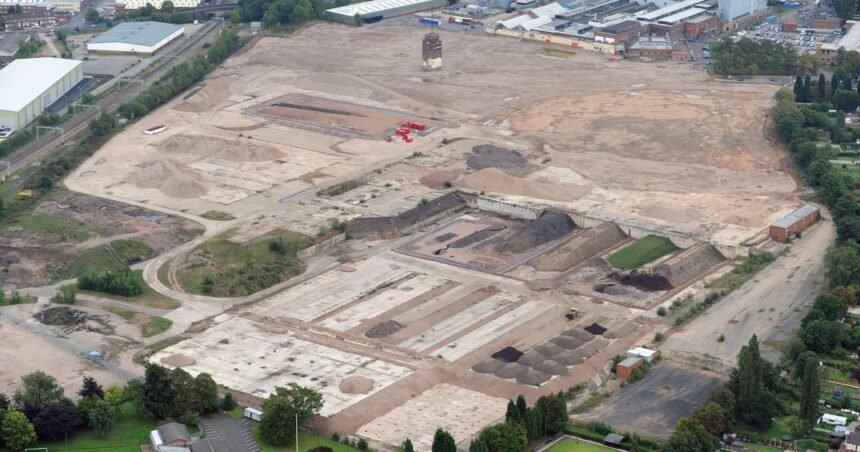
Greenfield data centers present designers with the opportunity to integrate innovative heat-reuse systems, liquid-first cooling solutions, and renewable power integration from the outset. Constructing a new facility allows for the optimal layout design, maximizing power distribution, cooling systems, and network architecture.
…

