The Evolution of Food Safety Regulations in the United States
In today’s modern society, we often take for granted the safety and quality of the food we consume. However, if we were to take a step back in time to the mid-to-late 19th century in the United States, we would be shocked by the lack of regulations and oversight in the food industry. Before 1906, there were no federal food safety regulations, leaving consumers at the mercy of unscrupulous practices by food manufacturers and retailers.
Imagine walking into a local grocery store in the 1800s and being faced with unlabeled additives, untested chemicals, and inedible fillers. This was the harsh reality for many working-class Americans who had no choice but to consume what can only be described as “mostly crap,” as Pulitzer-Prize winning science journalist, Deborah Blum, puts it in her book “The Poison Squad.” The lack of regulations led to an era of rampant food fraud, where consumers were unknowingly consuming harmful substances in their daily diet.
European countries such as Britain, Germany, and France had already implemented food safety regulations decades before the United States. However, the American approach was different, with a laissez-faire attitude that allowed the free market to dictate food safety standards. State and local laws attempted to fill the regulatory gap, but unsafe practices continued to thrive, putting the health of consumers at risk.
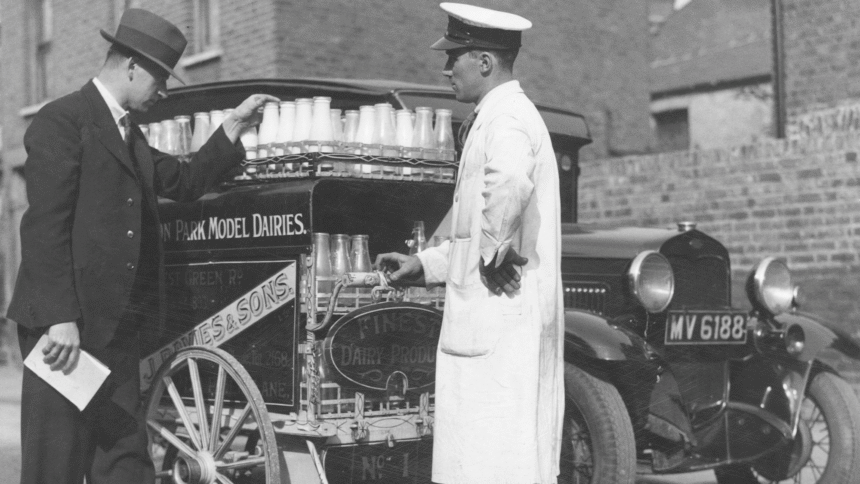
One of the most egregious examples of food adulteration was in the dairy industry. Before pasteurization became commonplace, milk spoilage was a major concern, leading to the use of harmful additives such as borax and formaldehyde to preserve dairy products. These additives not only extended the shelf life of milk but also altered its taste, sometimes masking the flavor of spoilage.
Cheese, flour, coffee, and spices were also commonly adulterated with substances like lead compounds, plaster of Paris, and ground shells. Ground coffee, in particular, was found to be heavily adulterated, often containing ground bone, lead, or other contaminants. The prevalence of food fraud was so widespread that consumers became wary of purchasing certain products, opting for whole beans or unprocessed foods whenever possible.
The lack of food safety regulations led to a culture of deception and mistrust among consumers, who had to navigate a minefield of counterfeit products and harmful additives. It wasn’t until the landmark Food and Drug Act of 1906 that the federal government took a stand against food adulteration and began to establish standards for food safety and labeling.
As we look towards the future, it is essential to remember the lessons of the past and the importance of robust food safety regulations. With regulatory agencies like the FDA facing budget cuts and challenges, it is crucial to prioritize consumer protection and ensure the integrity of our food supply. Only by learning from history can we create a safer and healthier food system for generations to come. The importance of food safety and regulations cannot be overstated, especially when considering the historical context of unregulated food practices. In the late 1800s, the food industry was rife with adulteration and contamination, leading to numerous cases of illness and even death. The lack of labeling and transparency meant that consumers had little idea of what they were consuming, as highlighted by tragic events such as the formaldehyde poisoning of children in an Indiana orphanage and the deaths of thousands of infants from adulterated milk in New York state.
Calls for change came from various groups, including women’s organizations and the emerging “pure food” movement. Chemist and physician Harvey Washington Wiley played a pivotal role in advocating for food purity and transparency. Despite facing resistance from the food industry and politicians heavily influenced by their donations, Wiley persisted in his efforts to push for national laws regulating food quality.
One of Wiley’s most notable initiatives was the “hygienic table trials,” where a group of USDA employees, known as the “poison squad,” voluntarily consumed meals laced with common food additives. This daring experiment garnered significant attention and public outcry, ultimately leading to the passing of the Meat Inspection Act and the Food and Drug Act in 1906, also known as “Wiley’s Law.”
Since the establishment of federal food regulations, significant progress has been made in enhancing food safety standards. The FDA and USDA play crucial roles in oversight and responding to emerging threats, such as bird flu in milk. While the food industry has adopted its own standards and practices, federal regulations remain essential in ensuring consumer protection.
However, recent budget cuts have impacted the FDA, leading to layoffs of scientists involved in quality control and testing. The temporary closure of labs and reduced staffing levels have raised concerns about the potential impact on food safety. Despite promises to reinstate scientists in key roles, the repercussions of these cuts on food safety monitoring and regulation remain a pressing issue.
In conclusion, the history of food regulation underscores the importance of stringent oversight and transparency in the food industry. Continued efforts to uphold food safety standards and regulations are essential in safeguarding public health and ensuring the integrity of the food supply chain. The future of FDA research and testing labs is uncertain due to potential budget cuts and a major reorganization on the horizon. The current proposal by the Trump Administration aims to transfer most food testing responsibilities to the states.
There is concern among experts about the long-term implications of reducing FDA staff and resources on ensuring food safety. While major companies may uphold high standards, there are always risks associated with new players in the market and unknown factors that could compromise food safety.
Although FDA inspections are less frequent than internal company checks, the agency still plays a crucial role in detecting instances of food contamination. For example, in recent years, the FDA investigated elevated levels of lead and chromium in cinnamon applesauce pouches marketed to children. This highlights the unique expertise and authority of the FDA in responding swiftly to food safety issues.
With impending changes in the FDA’s structure, there is uncertainty about the potential impact on food safety. While immediate concerns may be mitigated by companies’ internal protocols, the absence of FDA oversight could lead to gaps in ensuring food safety in the long run.
Experts emphasize the importance of maintaining robust FDA oversight to safeguard the food supply chain. Without clear indications that the proposed changes will enhance food safety, there are valid concerns about the effectiveness of the reorganization plan.
In conclusion, the fate of FDA research and testing labs hangs in the balance as the agency faces significant budget cuts and restructuring. The potential shift of food testing responsibilities to states raises questions about the future of food safety regulation and the ability to address emerging threats in the food industry. The world of fashion is constantly evolving, with new trends emerging each season. One trend that has been gaining popularity in recent years is the concept of sustainable fashion. Sustainable fashion is all about creating clothing and accessories that have a minimal impact on the environment while also being ethically produced.
One of the key elements of sustainable fashion is the use of eco-friendly materials. This can include organic cotton, hemp, bamboo, and recycled fabrics. These materials are grown and produced in a way that minimizes the use of pesticides, chemicals, and water, making them much better for the environment than traditional fabrics.
Another important aspect of sustainable fashion is the production process. Many sustainable fashion brands are committed to fair labor practices, ensuring that workers are paid fair wages and work in safe conditions. They also strive to reduce waste and energy consumption in their production facilities.
In addition to using eco-friendly materials and ethical production practices, sustainable fashion brands also focus on creating timeless, high-quality pieces that will last for years to come. This is in stark contrast to fast fashion, which churns out cheap, trendy clothing that quickly goes out of style and ends up in landfills.
Sustainable fashion is not just a trend – it’s a movement that is gaining momentum as more consumers become aware of the environmental and social impacts of the fashion industry. By supporting sustainable fashion brands, consumers can help reduce their carbon footprint and support ethical practices in the industry.
In conclusion, sustainable fashion is a growing trend that is here to stay. By choosing to support sustainable fashion brands, consumers can make a positive impact on the environment and support fair labor practices in the fashion industry. So next time you’re looking to update your wardrobe, consider shopping for sustainable fashion pieces that not only look good but also do good for the planet.