The evolution of data centers is a fascinating journey that has transformed the way we store and manage information. Understanding the history of data centers is crucial to comprehend their current operations and future developments.
In 1946, the first “data center” emerged with the introduction of ENIAC, the first fully functioning digital computer. Although ENIAC was not a data center in the modern sense, its dedicated power and cooling requirements highlighted the need for specialized environments to run computers efficiently. This marked the beginning of the era where every computer functioned as its own data center before the advent of microcomputers.
The year 1964 saw the birth of mainframes with IBM’s System/360, which revolutionized computing by introducing a family of compatible mainframe computers. This standardization laid the foundation for modern enterprise data centers by providing a platform for unified computing systems.
In 1971, microprocessors went mainstream with Intel’s release of the 4004, the first commercial microprocessor. This innovation enabled the development of smaller computers, leading to the need for dedicated spaces to house and cool these mid-sized systems. This shift from monolithic systems to fleets of servers marked the early evolution of modern data centers.
The personal computer revolution in 1981, marked by the release of the IBM PC, democratized computing and fueled the demand for networked systems. This surge in distributed devices necessitated centralized data centers to manage and store data efficiently.
The conception of the World Wide Web in 1989 laid the groundwork for the exponential growth of data centers. The rapid expansion of websites, online applications, and services drove the need for data centers to host and serve these digital platforms, shaping the modern data center landscape.
In 1998, VMware catalyzed x86 virtualization, revolutionizing enterprise infrastructure by enabling businesses to create virtual servers on physical servers. This advancement enhanced server utilization, scalability, and agility, driving investment in data centers to support expanding virtualized fleets.
In the late 1990s, colocation providers entered the market, further expanding the data center industry. The mainstream adoption of colocation services provided businesses with cost-effective solutions for housing their IT infrastructure in shared data center facilities.
The evolution of data centers from the early days of ENIAC to the modern era of virtualization and colocation reflects the continuous innovation and adaptation in the industry. Understanding the historical milestones of data centers is essential to appreciate their significance in today’s digital world and anticipate their future evolution. The inception of Equinix in 1998 marked a pivotal moment in data center history. Prior to this, businesses were accustomed to constructing their dedicated facilities to house their IT infrastructure. However, with the introduction of colocation services, a new consumption model emerged. Companies now had the option to rent space, power, and cooling in shared data centers, revolutionizing the industry.
The year 2000 witnessed the Dot-Com Boom and subsequent bust, leading to a surge in data center construction to support the burgeoning internet economy. While the bubble eventually burst, it left behind a foundation of infrastructure that would later be repurposed for the cloud and modern web services.
In 2006, the public cloud entered the Infrastructure as a Service (IaaS) era with the launch of Amazon Elastic Compute Cloud (EC2). This innovative service introduced on-demand, elastic computing, sparking a wave of hyperscale data center buildouts to meet the growing demand for scalable and flexible cloud services.
By 2010, hyperscale data centers became the norm, with tech giants like Google, Facebook, and Microsoft investing heavily in facilities to accommodate their massive user bases. These data centers introduced groundbreaking innovations in energy efficiency, modular design, and scalability, setting new standards for the industry.
The year 2013 marked the beginning of the Cloud Native era, with Docker popularizing container-based application deployment. This shift towards cloud-native computing emphasized the need for robust data center capacity to support applications running across large, distributed environments.
In 2017, edge computing gained traction due to the rise of IoT and latency-sensitive applications, driving the adoption of distributed architectures closer to end-users. This shift marked a departure from centralized data centers towards more localized, efficient computing solutions.
The COVID-19 pandemic in 2020 accelerated digital transformation globally, leading to a surge in demand for cloud services, video conferencing, and remote work solutions. Data centers faced unprecedented pressure to scale rapidly to meet the increased demand for digital services.
In 2022, generative AI went mainstream with the launch of OpenAI’s ChatGPT, heralding a new era in AI technology. This development posed significant challenges for data center design and operations, as operators struggled to keep pace with AI’s escalating energy demands.
By 2024, AI data centers emerged as a distinct architectural class, optimized for hosting accelerated computing for training and inference at a massive scale. Hyperscalers, colocation providers, and AI-focused clouds converged on designs tailored for large GPU clusters.
Looking ahead to 2025 and beyond, a new cohort of providers known as “neoclouds” is reshaping how organizations consume infrastructure. These providers are at the forefront of innovation, driving the evolution of data center technology and services to meet the demands of a rapidly evolving digital landscape.
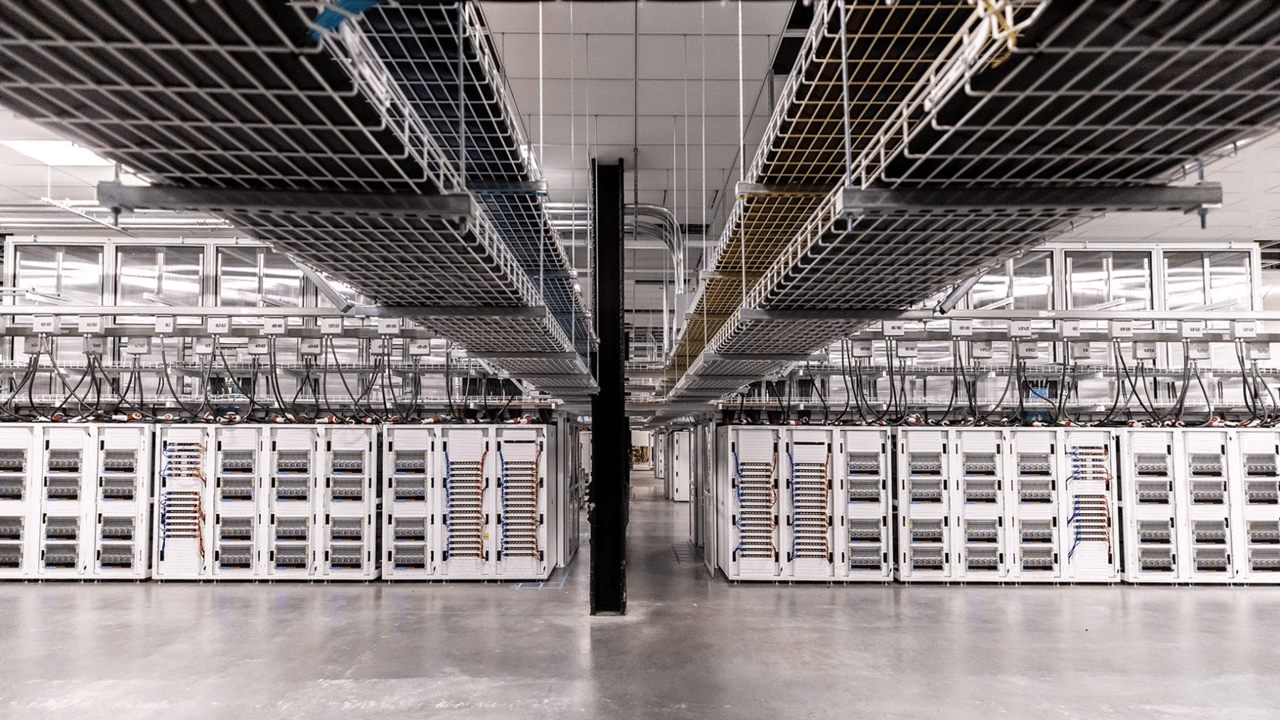
Neocloud provider Lambda collaborated with Prime Data Centers to deploy high-density NVIDIA AI infrastructure at Prime’s flagship LAX01 AI-ready data center campus in Vernon, Calif. (Credit: Lambda)
As neocloud providers continue to innovate in the cloud computing space, they are finding success by focusing on niche areas that bring added value to their customers. By specializing in AI-first GPU fleets, HPC-as-a-service, and offering sovereign and industry-regulated clouds with strict data residency requirements, neoclouds are able to cater to the unique needs of businesses and organizations. Additionally, their commitment to sustainability and optimizing capacity based on locality sets them apart in the industry. With bare-metal platforms that are tuned for either performance or cost transparency, neocloud providers are able to offer tailored solutions that meet the specific demands of their clients.
When it comes to finding the perfect vacation destination, many people overlook the benefits of traveling to lesser-known locations. While popular tourist destinations like Paris, Rome, and Tokyo certainly have their appeal, there is something truly special about discovering a hidden gem off the beaten path.
One such hidden gem is the small coastal town of Kotor in Montenegro. Nestled between the mountains and the Adriatic Sea, Kotor offers a unique blend of natural beauty, history, and culture that is sure to enchant any traveler.
The town’s most iconic feature is its medieval old town, which is surrounded by ancient walls that date back to the 9th century. Walking through the narrow cobblestone streets, visitors can admire well-preserved buildings, charming squares, and historic landmarks such as St. Tryphon Cathedral and the Maritime Museum.
For those who love the great outdoors, Kotor has plenty to offer as well. The surrounding mountains provide ample opportunities for hiking and biking, while the nearby Bay of Kotor is perfect for water activities like swimming, kayaking, and sailing.
Foodies will also be delighted by Kotor’s culinary scene, which features a mix of traditional Montenegrin dishes and Mediterranean cuisine. Local specialties include fresh seafood, grilled meats, and hearty stews, all of which can be enjoyed at cozy restaurants and cafes throughout the town.
In addition to its natural beauty and cultural attractions, Kotor also boasts a vibrant arts and music scene. Visitors can attend concerts, art exhibitions, and festivals throughout the year, showcasing the talent and creativity of the local community.
Overall, Kotor is a hidden gem that offers a truly unique and unforgettable travel experience. Whether you’re seeking adventure, relaxation, or cultural enrichment, this charming coastal town has something for everyone. So why not step off the beaten path and discover the magic of Kotor for yourself?