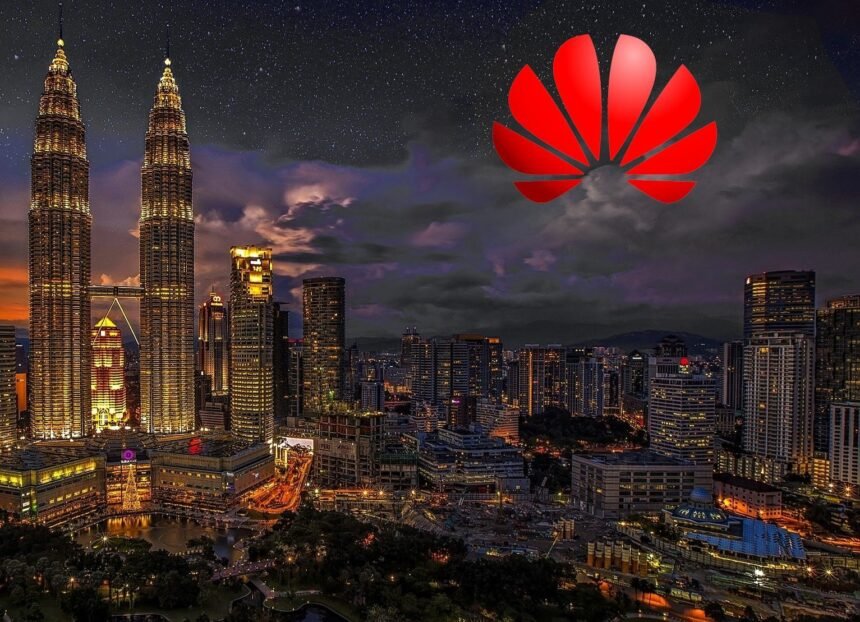
Huawei’s dedication to nurturing AI talent in Malaysia is part of its broader strategy to strengthen its position as a leading cloud infrastructure provider in the region. By leveraging its expertise and investments in Cloud Native 2.0, Huawei aims to support Malaysia’s AI ambitions with innovative container products like CCE Turbo and CCE Autopilot. These technologies are designed to provide a robust infrastructure for managing large-scale workloads across different cloud environments.
The company’s CEO, Simon Sun, outlined the scope of the initiative, targeting various professionals such as students, government officials, and industry leaders. With a goal of nurturing 30,000 Malaysian AI talents over the next three years, Huawei is committed to fostering a future-ready workforce equipped with industry-relevant expertise.
In addition to training initiatives, Huawei is also focused on collaborating with local AI partners and supporting the development of new AI entities in Malaysia. By transferring knowledge and fostering cloud solution collaborations, the company aims to drive AI investments and promote sector-wide upgrades in the country.
Huawei’s advancements in Cloud Native 2.0 technology, incorporating intelligent AI capabilities, directly support Malaysia’s AI aspirations. Through innovations like CCE AI clusters and CCE Doer, the company is paving the way for intelligent container cluster management and accelerating AI training and inference processes.
The Malaysian government’s National AI Office (NAIO) plays a crucial role in shaping the country’s AI priorities and development trends. With the recent unveiling of the National Cloud Computing Policy (NCCP), Malaysia is poised to become a world-class cloud computing hub by 2030, focusing on innovation, cybersecurity, sustainability, and inclusivity.
As Malaysia progresses towards becoming an “AI nation,” strong governance and security frameworks are essential to ensure safe and sustainable AI adoption. The government’s proactive approach includes developing policies and legislation that can adapt to new technologies while prioritizing data security and infrastructure reliability.
Overall, Huawei’s commitment to developing AI talent in Malaysia has significant implications for the ASEAN region, where skilled professionals in AI are in high demand. By investing in local capabilities and leveraging its infrastructure leadership, Huawei could position Malaysia as a regional hub for AI expertise, attracting further technology investments and partnerships. The collaboration between Huawei and Malaysia reflects a strategic step towards building indigenous AI capabilities while fostering global partnerships for mutual growth and success.