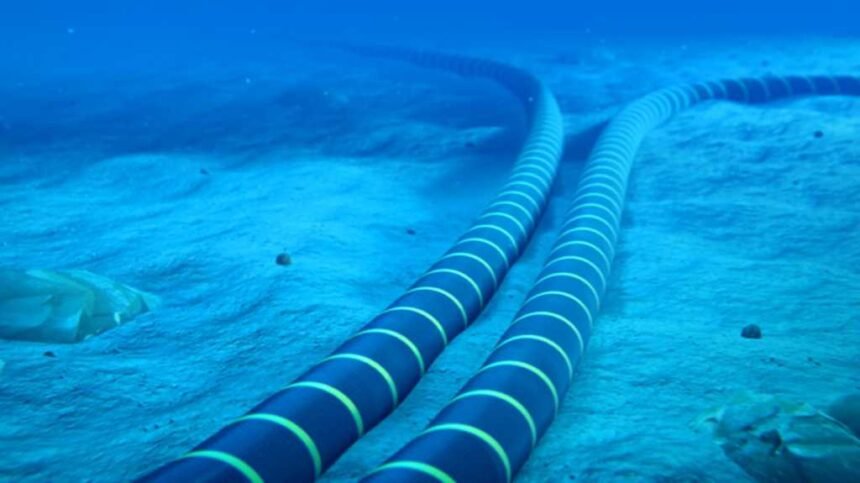
Cloud providers are expanding their reach in response to the growing demand for data and AI workloads. Instead of relying solely on shared infrastructure, companies like AWS are taking control of the connectivity layer by building and owning subsea cables. This shift gives them greater control over capacity, routing, and network management, tailored to their specific cloud and AI service needs.
The move towards hyperscaler ownership of subsea cables offers significant benefits for CIOs. It improves operational efficiency by integrating cable management with cloud network infrastructure, leading to real-time optimization and automated traffic management. This results in increased reliability and performance for end users. Additionally, with fewer handoffs involved, there is better throughput and faster recovery in case of issues.
While this consolidation brings advantages, it also introduces new risks for enterprises. Depending on a single company for compute, storage, and sea cable routes can deepen and complicate vendor dependency. Enterprises must navigate these challenges to mitigate potential vendor lock-in and cost ripple effects in the long run.