Summary:
1. OneD Battery Sciences closed its pilot manufacturing facility in Moses Lake, Washington, after investing millions in producing silicon anode products for next-gen batteries.
2. Former employees are sharing “open to work” posts on LinkedIn, citing the Trump administration’s tariff policies as a factor in the closure.
3. Other battery companies in the area, such as Group14 and Sila Nanotechnologies, are still moving forward with their manufacturing plans despite challenges in the industry.
Rewritten Article:
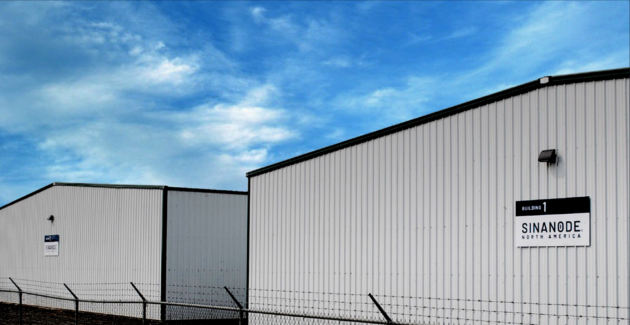
OneD Battery Sciences recently made the decision to shut down its pilot manufacturing facility located in Moses Lake, Washington. This move comes just nine months after the California-based company proudly announced the successful completion and commissioning of the site, which was dedicated to producing SINANODE, a cutting-edge silicon anode product designed for the next generation of batteries.
The closure of the Moses Lake facility, in which OneD had invested between $15 million and $20 million, has sparked concerns among industry experts and former employees. Some of these ex-employees have taken to LinkedIn to express their readiness to explore new opportunities in the job market. According to reports, layoffs have also been reported at OneD’s California location, raising further questions about the company’s future plans.
Former OneD CEO, Vincent Pluvinage, pointed to the Trump administration’s tariff policies as a contributing factor to the closure. The ongoing tariff war has impacted the demand for electric vehicles, ultimately affecting companies like OneD that are heavily reliant on the growth of the EV market. Despite these challenges, OneD had a promising partnership with General Motors for research and development, potentially integrating their technology into GM’s electric vehicle batteries.
In the same region, other battery companies such as Group14 Technologies and Sila Nanotechnologies are forging ahead with their manufacturing projects. Group14, which received a $100 million grant from the Department of Energy, is slowing down construction at its Moses Lake site but remains committed to bringing its facility online later this year. Sila Nanotechnologies, also a recipient of a DOE grant, recently announced the start of the commissioning phase for its Moses Lake plant, signaling progress towards producing silicon anode materials in the near future.
Despite the challenges faced by OneD and other companies in the industry, the Moses Lake area continues to attract battery businesses due to its strategic location and favorable conditions for manufacturing. With ongoing developments in the electric vehicle market and government support for battery manufacturing, the future of these companies in Moses Lake remains a topic of interest for industry observers and stakeholders alike.