Exploring the Latest Samsung Galaxy Watch 8 Classic and Galaxy Watch 8
After extensively testing the Samsung Galaxy Watch 8 Classic and Galaxy Watch 8, it’s evident that these two smartwatches stand out primarily in terms of design and pricing. Despite these differences, they offer a similar user experience.
The decision by Samsung to collaborate more closely with Google is proving to be beneficial. Whether it’s the increasing presence of Wear OS or the integration of Google’s services, such as the Gemini smart assistant that surpasses Bixby, the move is paying off.
Initially, it was surprising when Samsung chose to transition from its own Tizen operating system to Google’s. The shift was necessary to address issues like the lack of app support within its ecosystem. Embracing Wear OS has helped bridge this gap.
Mike Sawh
However, there is still room for improvement in Samsung’s fitness tracking capabilities. While the smartwatches offer impressive health features, the execution could be enhanced. From data presentation to better motivation for staying active and ensuring all features are accessible to Android users, there are areas that could be refined.
Could Samsung transfer these functionalities to Google?
Prior to testing the Galaxy Watches, I experienced the Google Pixel Watch 3, which shed light on a potential solution. Is it plausible for Samsung to hand over these capabilities to Google?
With the Pixel Watch, the value of the Fitbit acquisition is evident after several iterations. The integration of Fitbit features into daily interactions has significantly improved.
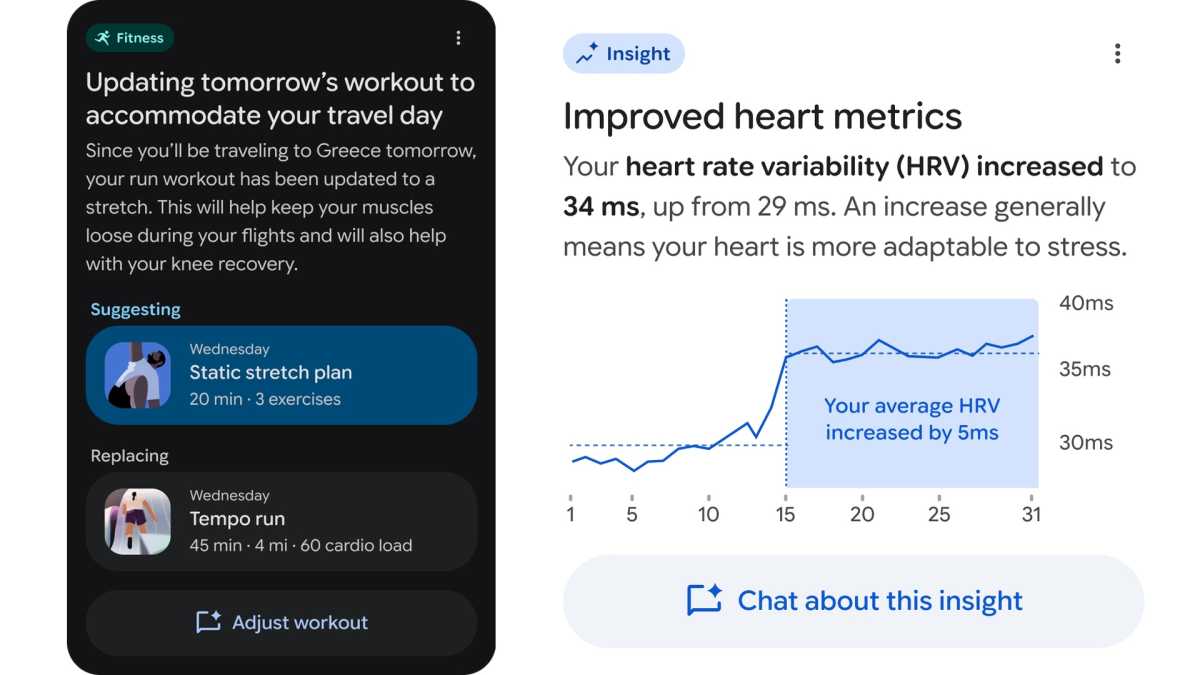
As the Google Pixel Watch 4 debuts, the integration of Fitbit-powered features is expected to elevate user interactions. From enhanced sleep insights to a deeper connection between activity and recovery, these features simplify monitoring key metrics and goals, a feature lacking in Samsung’s latest smartwatches.
These features embody the appeal of Fitbit smartwatches and fitness trackers.
Additionally, the introduction of Fitbit Health Coach, powered by Gemini, on Samsung’s smartwatches could significantly enhance the Galaxy Watch line.
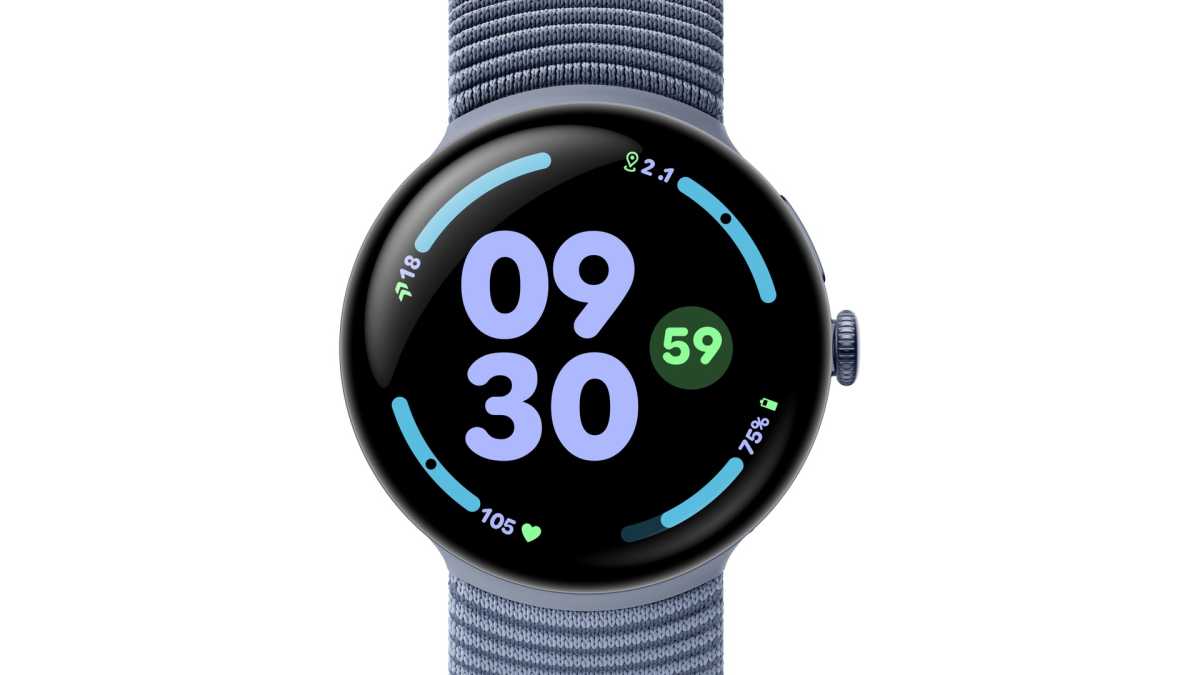
Furthermore, Samsung’s smartwatches still have limitations in terms of health tracking compatibility. To access features like ECG, blood pressure, and sleep apnea modes, users must own a Samsung smartphone. In contrast, the Pixel Watch 4 offers an ECG feature without the necessity of owning a Pixel phone.
It remains to be seen if Samsung will deepen its collaboration with Google to address these areas of improvement. On Google’s end, the decision to share features that could potentially detract from the exclusivity of its flagship smartwatch is a consideration.
By aligning the latest version of Wear on the Galaxy Watch with the Pixel Watch and integrating Google apps like Gemini and Maps, incorporating Fitbit-inspired features could significantly enhance the overall user experience. This move could resolve the existing challenges in Samsung’s approach to fitness, sleep, and health tracking integration.
For more updates and insights on the Pixel 10 phones, visit our dedicated 2025 Google Event hub.