

By: Sarah Johnson, Technology Specialist at TechSolutions
In today’s rapidly evolving tech landscape, the rise of cloud technology has transformed IT infrastructure, offering scalability, flexibility, and accessibility like never before. Many businesses initially embraced public cloud platforms for operational streamlining and cost efficiency, but over time, challenges such as rising costs and data security issues became apparent.
The prevalent pay-as-you-go model of public cloud services can lead to spiraling costs and budgeting difficulties, while fixed pricing structures of other providers may result in paying for unnecessary resources. Issues like performance and latency issues, availability constraints, and vendor lock-in have also emerged, prompting organizations to reconsider their cloud strategy.
As a response, many enterprises are now exploring strategic cloud repatriation, which involves migrating workloads from public clouds back to private, on-premises, or hybrid environments. This shift aims to address specific needs such as low latency, high bandwidth, and enhanced security, especially in industries like healthcare, finance, and manufacturing.
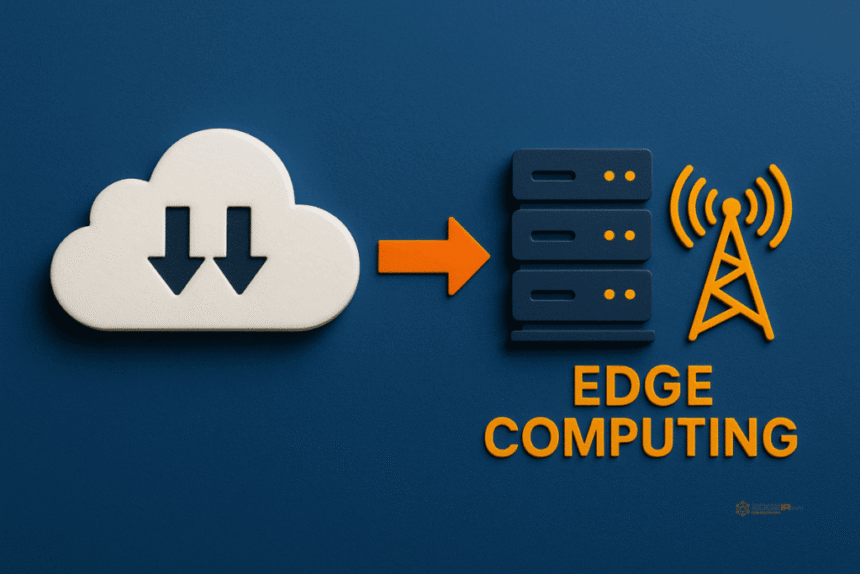
The convergence of edge computing and cloud solutions offers a compelling solution by bringing processing closer to end-users, improving performance, security, and flexibility. This approach accommodates emerging technologies like AI, machine learning, and IoT that demand high computing power and minimal latency.
Benefits of a strategic repatriation approach
Recent studies indicate a growing trend towards repatriating compute and storage resources from public cloud to on-premises solutions, driven by factors like cost efficiency, performance optimization, and data security enhancement. By balancing the advantages of public cloud scalability with in-house control over critical workloads, businesses can achieve a more sustainable and effective IT infrastructure.
Best practices
To ensure a balanced infrastructure, organizations should assess various environment options, conduct cost-benefit analyses, and carefully select workloads suitable for each environment. Tailoring the migration strategy to the unique requirements of each workload, whether cloud-native or industry-specific, is crucial for maximizing performance and cost-effectiveness.
Challenges to avoid
Key challenges in repatriation include upfront infrastructure costs for on-premises solutions and the need for skilled IT personnel to manage in-house workloads. Organizations must invest in training or hiring IT professionals to ensure efficient operation and security maintenance when transitioning from public cloud environments.
Repatriation to prepare for the future
Embracing cloud repatriation as a strategic move can empower businesses to optimize performance, security, and cost efficiency while aligning their IT infrastructure with long-term goals. By leveraging the best of both public cloud scalability and private cloud control, organizations can pave the way for innovation and growth in the digital era.
About the author
Sarah Johnson is a Technology Specialist at TechSolutions, bringing over a decade of experience in IT consulting and solution development across diverse industries. With a focus on aligning technology with business objectives, Sarah helps clients achieve impactful results through resilient and secure IT solutions. Sarah holds a degree in Computer Science from a leading university, underpinning her expertise in guiding organizations towards IT excellence.
Related
Summary: This article explores the growing trend of strategic cloud repatriation, where businesses are migrating workloads from public clouds back to on-premises or hybrid environments to address cost, performance, and security challenges. By striking a balance between public cloud scalability and in-house control, organizations can optimize their IT infrastructure for future growth and innovation.
Article Topics
Cloud Repatriation | edge computing | hybrid cloud strategy | IT infrastructure

