Summary:
1. The Cybertruck demo did not go as planned, leading to criticism of its design and functionality.
2. Sales of the Cybertruck have been disappointing, with production delays, quality issues, and a high price tag contributing to its lackluster performance.
3. Despite the Cybertruck’s failures, Tesla’s focus on future technologies like robotaxis and AI could still lead to success for the company.
Article:
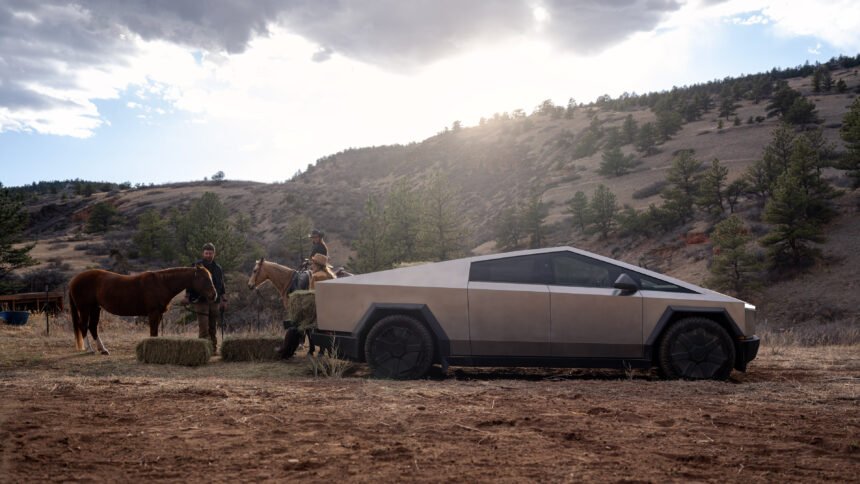
When the Cybertruck was unveiled by Tesla, it was supposed to be a symbol of innovation and boldness. However, a failed demo where the “armor glass” shattered upon impact with a metal ball set the tone for the truck’s rocky journey. The design of the Cybertruck has been widely criticized, with many questioning its identity and functionality. It has been described as divisive at best and hideous at worst, drawing comparisons to some of the biggest automotive flops in history.
Sales of the Cybertruck have been disappointing, with only 5,385 vehicles sold in the third quarter of 2025. This is a significant drop from previous projections of selling 250,000 units annually. Production delays, quality issues, and a higher-than-expected price tag have all contributed to the lackluster performance of the Cybertruck in the market. Competition from other electric trucks like the Chevrolet Silverado EV and Ford F-150 Lightning has also posed a challenge for Tesla.
Despite the failure of the Cybertruck, Tesla’s focus on future technologies like robotaxis and artificial intelligence could still lead to success for the company. While the Cybertruck may have been a misstep, it is not a deal-breaker for investors. Tesla’s emphasis on innovation and cutting-edge technologies could pave the way for future success. Investors should reevaluate their Tesla investment thesis and consider the company’s shift towards becoming a technology-focused business rather than just an automaker. The road ahead for Tesla may be uncertain, but there is still potential for growth and success in the future.