Summary:
1. The rush to build data centers for artificial intelligence models is causing a potential supply chain disturbance in the auto sector.
2. A shortage of memory chips is leading to price hikes and disruptions that could impact global vehicle production.
3. Car manufacturers and suppliers must act quickly to secure sourcing strategies as the demand for higher-end memory chips continues to rise.
Rewritten Article:
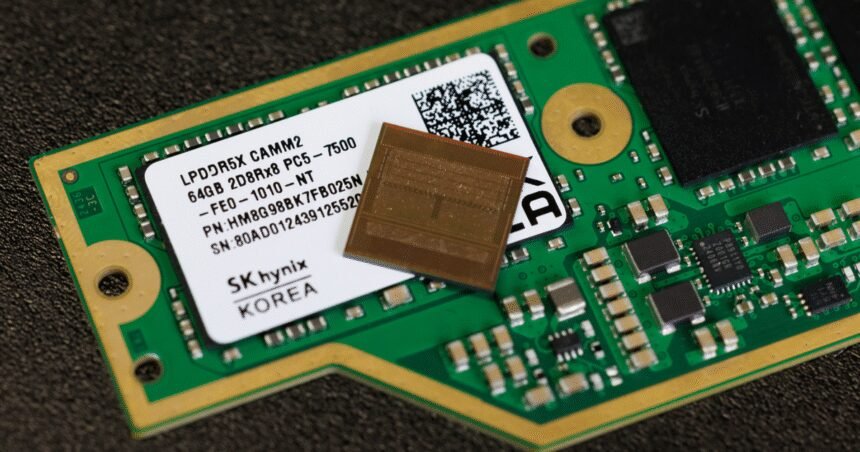
The automotive industry is facing a new challenge as the demand for data centers to support artificial intelligence models is causing potential disruptions in the supply chain. According to UBS analysts, a shortage of memory chips, specifically dynamic random-access memory chips (DRAM), has already led to price hikes of over 100%. This shortage could result in disruptions starting in the second quarter, potentially impacting global vehicle production.
As automakers and their parts manufacturers rely on older, less-advanced memory chips than those used in AI servers and data centers, they still face constraints in the supply of silicon wafers. With the demand for higher-end memory chips on the rise, the automotive industry must quickly adapt their sourcing strategies to prevent any significant impact on production.
UBS analysts have identified car manufacturers and suppliers that are more exposed to advanced driver-assistance systems and electronics components as being at higher risk. Companies like Visteon Corp. and Aumovio SE are particularly vulnerable, with Tesla Inc. and Rivian Automotive Inc. facing more downside than Ford Motor Co. or General Motors Co.
Semiconductor shortages have already cost carmakers millions of vehicles during the Covid-19 pandemic, and recent disruptions tied to chipmaker Nexperia BV have forced manufacturers like Honda Motor Co. to idle production. As top DRAM chip manufacturers prioritize the more profitable data center segment over automotive applications, the automotive industry must act swiftly to secure the necessary components to avoid further disruptions.