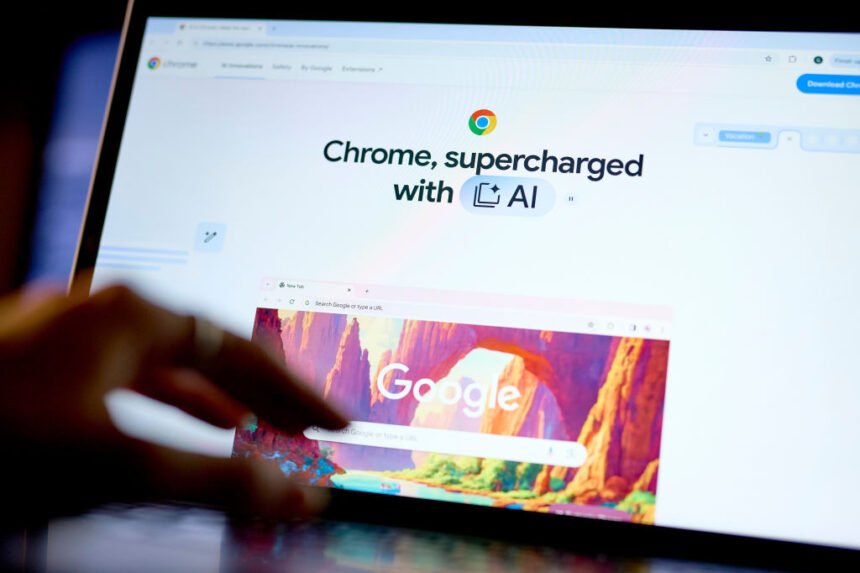
OpenAI recently introduced ChatGPT Atlas, an AI-powered web browser, prompting the question: Is it time to switch from Safari?
This topic was discussed on the latest episode of the Equity podcast by Max Zeff, Sean O’Kane, and myself. While exploring the browser landscape and alternative options, it seems unlikely that any major shifts will occur soon.
One challenge highlighted by Sean is the historical difficulty companies face in competing with established browsers due to the lack of profitability from the browser alone. However, OpenAI’s substantial funding may change this narrative.
Max shared his experience testing Atlas and similar AI-driven browsers, noting only a marginal improvement in efficiency and potential security concerns. The concept of AI agents navigating websites on behalf of users raises questions about its practicality for everyday use.
Read on for a condensed version of our conversation.
Anthony: While I still use Safari, I’ve been exploring non-Google search engines to avoid biased search results. The rise of AI browsers raises concerns about the future of the open web and the diminishing significance of individual websites.
OpenAI launched ChatGPT Atlas, an AI-powered web browser, sparking discussions on browser preferences and the impact of AI on browsing habits.
When it comes to creating a successful business, one of the most important factors to consider is branding. Branding is essentially the image and reputation that a company presents to the world, and it can make or break a company’s success.
One key aspect of branding is creating a unique and memorable logo. A logo is often the first thing that people see when they come into contact with a company, so it’s crucial that it makes a strong and positive impression. A good logo should be simple, yet eye-catching, and should convey the essence of the company in a clear and concise way.
Another important aspect of branding is consistency. It’s important that all of a company’s marketing materials, from business cards to social media posts, are consistent in terms of design and messaging. This helps to create a cohesive and unified brand image that customers can easily recognize and identify with.
In addition to creating a strong visual identity, branding also involves creating a unique brand voice. This is the tone and style that a company uses in its communications with customers, whether it’s through advertising, social media, or customer service. A strong brand voice helps to differentiate a company from its competitors and can help to build trust and loyalty among customers.
Ultimately, successful branding is about creating a strong and positive impression of a company in the minds of consumers. By focusing on creating a unique and memorable logo, maintaining consistency in branding across all marketing materials, and developing a strong brand voice, companies can create a strong and recognizable brand that sets them apart from the competition.