In an era where data centers’ power needs are increasing rapidly, data center operators face mounting pressure to find ways to optimize energy use. The good news is that many effective power optimization strategies are available for consuming energy more efficiently. The bad news is that with so many viable options, it can be tough to identify the best power optimization techniques based on a particular data center’s IT requirements and budget.
To provide guidance, here’s a breakdown of five ways to optimize power usage in data centers. It starts with the simplest – and, in many cases, least expensive – action that data center operators can take to consume energy more efficiently, then moves on to more complex strategies that, although they may yield a larger impact, also tend to cost more.
### 1. Hot and Cold Aisles
One of the easiest ways to reduce energy waste in data centers is to enhance air flow efficiency by using a hot aisle/cold aisle layout on the server room floor. This strategy involves placing servers back-to-back. Since most servers use fans to dissipate heat toward their back ends, this arrangement concentrates heat in “hot aisles” within the server room.
From there, the heat can be removed more efficiently than it would if cooling systems had to target the room as a whole, rather than homing in on the hot aisles.
Hot aisle/cold aisle layouts cost data centers nothing because they don’t require additional equipment or consume more space. Still, they can improve energy efficiency by up to 35%.
### 2. Server Consolidation
In general, fewer servers translate into less energy consumption. This is true even if the total computing power of a collection of servers remains the same: One powerful server with twice the capacity of two less capable servers will use less electricity than the two servers would on their own.
Server consolidation can help to optimize power consumption in data centers. By migrating workloads from under-utilized servers to other ones, data centers can support the same total number of workloads while hosting fewer servers.
Server consolidation costs little because it doesn’t require new hardware purchases, although there may be a cost associated with the staff time necessary to migrate workloads. Businesses simply make more efficient use of the servers they already own. In fact, consolidating servers could even generate revenue if it allows an organization to resell servers it no longer needs.
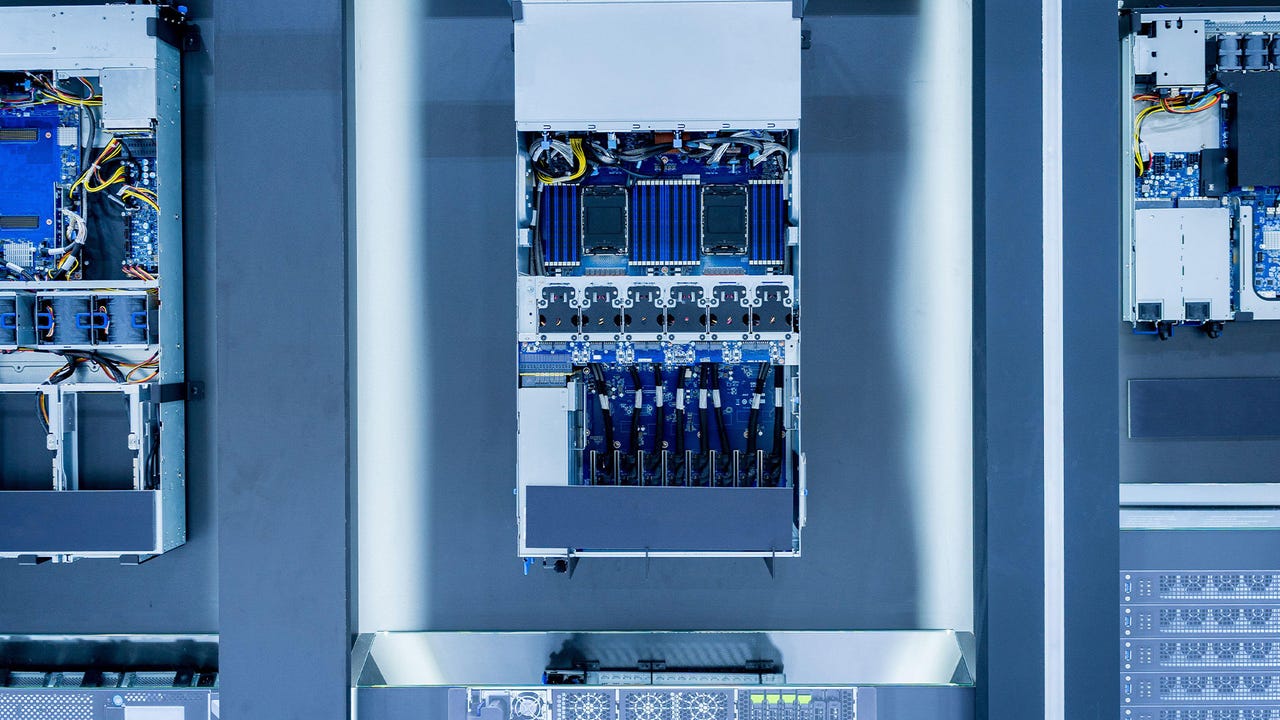
Power monitoring tools help identify energy-wasting servers and circuit overload risks for just fractions of yearly energy bill costs. Image: Alamy
### 3. Monitor Power Usage
The more you know about exactly how power is being used in a data center, the easier it is to optimize power efficiency.
To that end, power monitoring and metering tools can help data center operators identify servers that are consuming more power than they should, then take steps to improve the efficiency of those servers. As a bonus, power monitoring can provide insights into the reliability of a data center’s power infrastructure and help to identify risks, such as circuits that are close to being overloaded.
Deploying power monitoring and metering solutions comes with a cost, but it’s not particularly steep. DCIM tools often include power monitoring features that use software to track power usage, and hardware devices (which are more accurate and granular than software-based monitoring) are available for just fractions of what the typical data center pays in yearly energy bills.
### 4. Direct-to-Chip Cooling
Cooling systems are usually among the most energy-hungry components of a data center. That’s why investing in more efficient cooling technologies, like direct-to-chip cooling, can help to optimize power use.
Direct-to-chip cooling involves placing coolants in direct contact with the parts of IT equipment that generate the most heat. The system achieves efficiency because it can target heat directly at the source, rather than having to cool a large ambient area.
The downside of direct-to-chip cooling is that it’s not inexpensive, with costs starting around $5,000 per server rack. That said, the system can save significant amounts in the long run by reducing energy bills.
### 5. Immersion Cooling
For data center operators committed to taking power efficiency optimization to the extreme, immersion cooling is a logical choice. Immersion cooling systems submerge servers in a non-conductive liquid, an even more efficient way to dissipate heat than direct-to-chip cooling.
Immersion cooling is also, however, even more expensive than direct-to-chip. One study found that the cost per rack of installing immersion cooling is around $26,500. But again, the long-term electricity savings can justify the initial investment.
### Making Power Optimization Work for Your Data Center
The power optimization strategies outlined above offer data center operators a clear roadmap from quick wins to transformative investments. Starting with cost-free solutions like hot aisle/cold aisle configurations and server consolidation allows organizations to achieve immediate energy savings while building momentum for larger initiatives.
The key to successful power optimization lies in taking a phased approach that aligns with your budget and operational requirements. Begin with the simpler strategies to establish baseline improvements, then gradually invest in more sophisticated solutions like direct-to-chip or immersion cooling as energy savings justify the costs. By combining multiple power optimization techniques, data centers can achieve substantial reductions in energy consumption while maintaining peak performance and reliability.