

The clash between America’s burgeoning data center industry and the evolving landscape of federal energy policies is causing a ripple effect across the country. Traditional clean energy projects are facing mounting challenges, including political hurdles, community opposition, and technical constraints.
In a recent development highlighting this tension, the Trump administration abruptly canceled the Esmeralda 7 project, a significant solar farm in the Nevada desert. This move, which came despite the project’s status as the largest renewable energy initiative to progress through federal permitting under the Biden administration, underscores the complexities at play.
The rapid proliferation of data centers is placing a strain on electrical grids nationwide, sparking debates on how to address their substantial energy needs. Nowhere is this strain more apparent than in Virginia, known as the nation’s data center hub. The PJM Interconnection, which manages the state’s electric grid, issued a stark warning earlier this year: under extreme summer conditions, the region could face electricity shortages.
Virginia already imports a staggering amount of electricity, with data centers driving a significant portion of this demand. The energy-intensive operations of these facilities, fueled by AI, cryptocurrency mining, and high-density computing, are propelling electricity consumption to unprecedented levels.
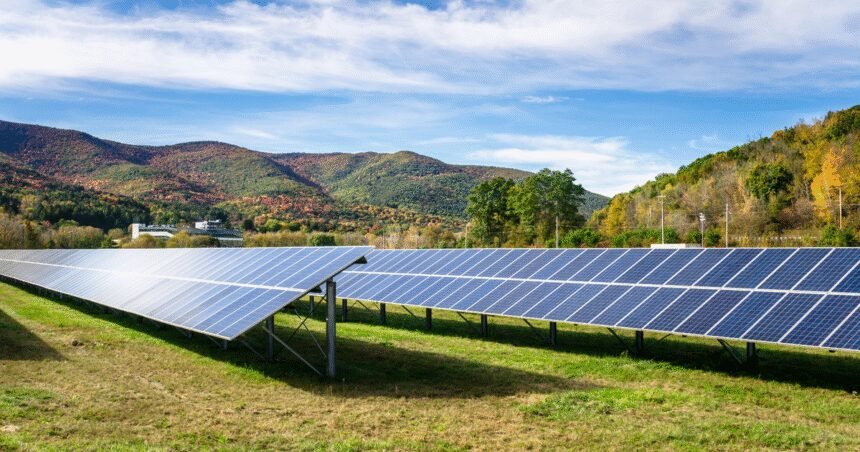
Recognizing the urgent need for clean and cost-effective energy sources, data center operators are increasingly turning to solar power. In Virginia, streamlined processes like the Permit By Rule framework are enabling swift deployment of solar projects tailored to meet data centers’ energy requirements.
However, solar energy is not without its challenges. Despite its growing popularity, solar power is encountering resistance in many areas, with some communities viewing solar farms as intrusive industrial projects rather than green energy solutions. Additionally, the intermittent nature of solar generation poses limitations in meeting the constant high-energy demands of data centers.
While solar power contributes valuable energy to the grid, it currently falls short of independently powering data centers. This discrepancy underscores the need for innovative solutions to bridge the gap between renewable energy sources and data center operations.
Despite these hurdles, tech giants like Microsoft, Meta, and Amazon are aggressively expanding their solar portfolios. These companies are investing in large-scale solar projects across the country, demonstrating a commitment to sustainable energy practices.
As federal support for renewable energy projects remains uncertain, industry experts believe that market dynamics will continue to drive solar adoption. While subsidies play a role, factors like efficiency, reliability, and scalability are paramount in shaping the future of solar energy integration in data center operations.
The demand for clean energy remains high, especially in power-intensive sectors such as data centers. This trend is further supported by the growing corporate interest in solar power, which has the potential to revolutionize how data centers consume energy and become leaders in adopting advanced solar technologies.
The increasing corporate investment in solar power, he added, could transform data centers from energy consumers into primary consumers of the most advanced solar technologies, potentially reshaping industries in the process.

