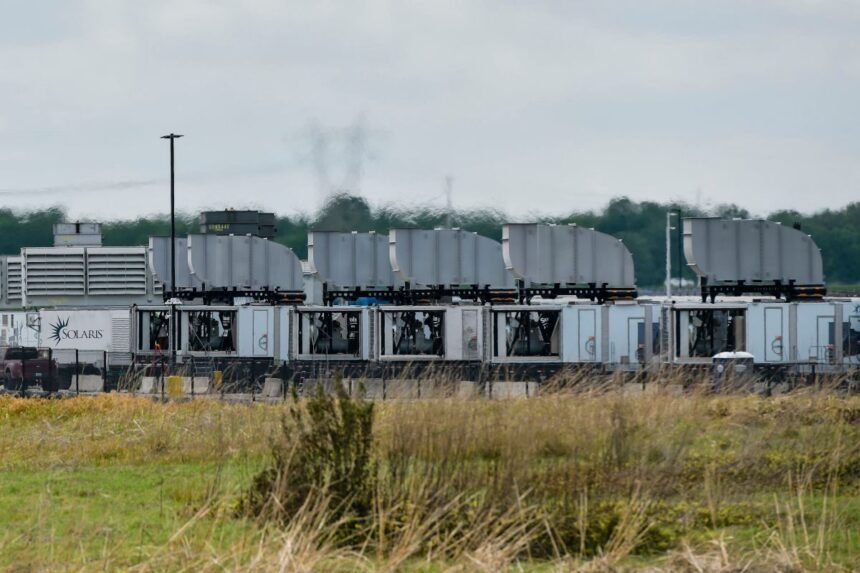
The Rise of Data Center Activism in America
Gone are the days when data centers were hidden in the shadows, quietly powering the internet without much public attention. As of 2025, these once obscure facilities have become the focal point of a growing movement of activism across the United States.
In the past year, protests against data centers have erupted in numerous states as local activists push back against the rapid expansion of America’s computing infrastructure. According to Data Center Watch, there are now 142 activist groups in 24 states actively organizing against data center developments, citing concerns about environmental impacts, controversial AI applications, and rising electricity costs.
The exponential growth of the data center industry, fueled by the surge in AI and cloud computing, has caught the public’s attention and sparked a wave of opposition. Construction spending on data centers has soared by 331% since 2021, with tech giants like Google, Meta, Microsoft, and Amazon announcing substantial investments in new facilities.
The push for AI infrastructure has not only come from Silicon Valley but also from Washington, D.C., where the Trump administration’s Stargate Project aims to revitalize American industry through AI development. However, this rapid expansion has faced significant resistance from communities across the country.
Activists like Danny Cendejas from MediaJustice have been at the forefront of the anti-data center movement, organizing protests and raising awareness about the negative impacts of unchecked expansion. Communities in states like Michigan, Wisconsin, and California have rallied against proposed data center projects, citing environmental concerns and the strain on local resources.
The backlash against data centers has become a political issue, with rising electricity costs potentially shaping the outcome of the 2026 midterm elections. Public pressure and grassroots opposition have already resulted in the blocking or postponement of billions of dollars worth of developments, indicating the power of organized action in influencing corporate decisions.
In response, the tech industry has launched counter-campaigns to promote the economic benefits of data centers and sway public opinion in their favor. However, the growing discontent and activism surrounding data centers suggest that this issue is far from resolved and could have far-reaching implications for the future of America’s digital infrastructure.
For tech enthusiasts and industry professionals alike, the future of artificial intelligence (AI) holds immense promise. However, this promising future is contingent on a monumental expansion of computing resources. As we look ahead to 2026, it appears evident that the demand for servers will continue to skyrocket in order to support the growing applications of AI technology. Yet, this trajectory is not without its challenges, as the increasing reliance on AI has sparked controversies and disagreements within the tech community.