Rising AI-Driven Demand and Grid Constraints: The Role of Small Modular Reactors for Data Centers
Adhum Carter Wolde-Lule, Chief Strategy Officer at Prism Power Group, delves into the challenges posed by increasing AI-driven demand on power grids and explores how Small Modular Reactors (SMRs) could offer a sustainable solution for data centers.
The Impact of AI on Data Center Power Consumption
The exponential growth of artificial intelligence and high-density computing has led to a significant rise in data center power consumption globally. With each new generation of AI models requiring more computational capacity, the demand for electricity in data centers is skyrocketing.
Grid Constraints and the Need for Reliable, Low-Carbon Power
Data center energy usage is projected to more than double from 460 TWh in 2022 to over 1,000 TWh by 2026, putting immense pressure on already strained power grids. This surge in demand has highlighted the need for reliable, low-carbon power sources to ensure uninterrupted operations for data centers.
The Role of Small Modular Reactors in Providing Sustainable Power
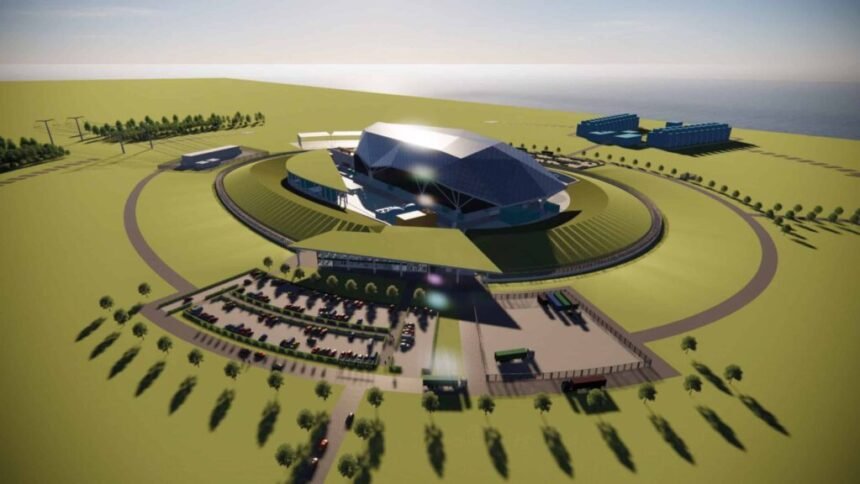
Small Modular Reactors (SMRs) are emerging as a potential solution to the energy needs of data centers. These compact nuclear reactors offer continuous baseload power with minimal environmental impact, making them an attractive option for powering high-demand facilities like data centers. While challenges remain in terms of regulatory processes and lead times, SMRs hold promise as a long-term, sustainable energy solution for the data center industry.
As the demand for reliable and sustainable power in data centers continues to grow, a combination of efficiency improvements, on-site energy generation, and strategic partnerships will be crucial in bridging the gap until SMRs become a viable option. By adopting a forward-thinking approach and exploring alternative energy sources, data center operators can navigate the evolving landscape of energy consumption in the AI era.