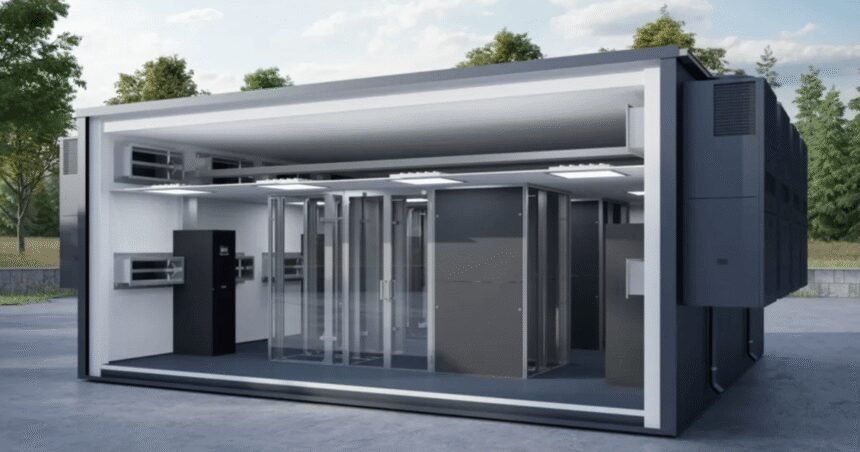
When developing a strategy for edge computing, you typically have two architectural options to consider:
-
Utilize an
edge data center
– a specialized facility designed to execute computations and store data in close proximity to end users and data sources. -
Execute workloads directly on individual
edge devices
– decentralized hardware like servers, gateways, sensors, smartphones, and wearables.
This piece elaborates on the specifics of each approach, their distinctions, and the circumstances under which one may be preferred over the other.
What Is Edge Networking and Why Use It?
Edge computing involves positioning data and processing closer to the workloads that generate or consume them – essentially at the “edge” of the network – rather than in a distant centralized infrastructure. The primary advantage is reduced network latency: data moves faster with shorter physical and network distances, enhancing responsiveness for time-critical applications. Other benefits may include bandwidth savings (through local data preprocessing or filtering), enhanced privacy (by keeping sensitive data local), and robustness (enabling uninterrupted operation during connectivity disruptions).