Summary:
- Data centers in space are being considered due to the increasing power consumption from AI processing within data centers.
- Orbiting data centers can help handle the massive amount of data produced by existing satellites by analyzing and extracting useful information in space.
- China is already ahead in space-based computing with the launch of the Three-Body Computing Constellation containing 12 satellites.
Article:
The Future of Data Centers: Moving to Space for Efficient Processing
As the demand for AI processing continues to rise, data centers on Earth are facing challenges with power consumption. Reports have shown that the power required to handle AI is increasing at a rapid rate annually, prompting organizations to explore alternative options for data processing.
Orbiting Data Centers: A Solution to Power Consumption
One of the reasons why data centers in space are being considered is to address the power consumption issues associated with AI processing. The World Economic Forum has estimated that the power required for AI processing is increasing between 26% and 36% annually, leading organizations to look for more sustainable solutions.
Handling Satellite Data Efficiently
Another crucial aspect of orbiting data centers is their ability to manage the vast amount of data produced by existing satellites. Satellites gather immense amounts of data, but downlinks to Earth can become bottlenecks in the transmission process. By utilizing AI capacity in orbit, organizations can analyze and extract valuable insights from satellite data, enhancing efficiency in data processing.
China’s Advancements in Space-Based Computing
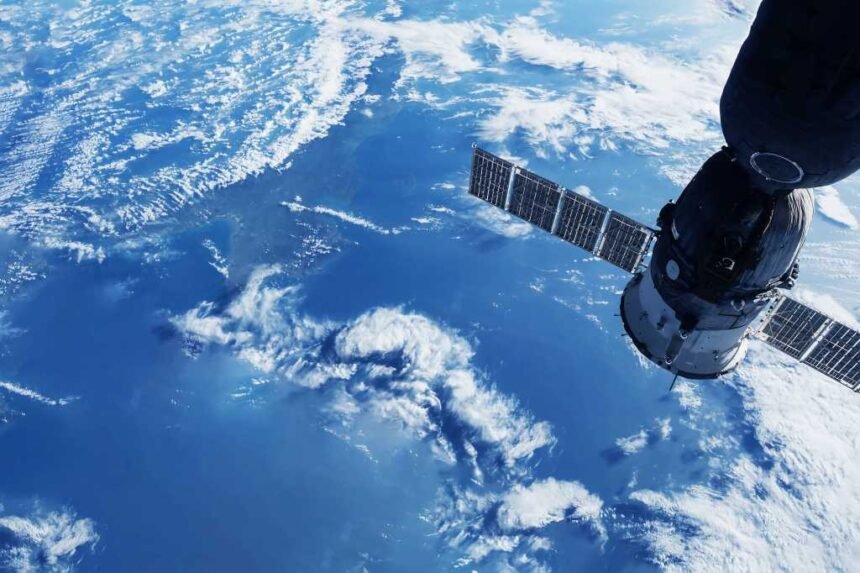
China has taken a significant step towards space-based computing with the launch of the Three-Body Computing Constellation. This network of satellites is designed to handle the orchestration and processing of data in orbit, paving the way for a new dimension in edge computing. With plans to expand the constellation to 2,800 satellites, China is leading the way in space-based data processing technology.
Overall, the shift towards data centers in space offers a promising solution to the challenges faced by traditional data centers on Earth. With advancements in technology and the potential for improved efficiency, space-based data processing could revolutionize the way we handle data in the future.