Summary:
1. Micron Technology, founded in 1978, has announced its exit from the consumer memory market due to the increasing demand for memory in AI applications.
2. The decision reflects the economic realities of the semiconductor industry, where manufacturers are prioritizing higher-value enterprise contracts over consumer products.
3. The restructuring of the memory market due to AI memory hunger is reshaping global semiconductor supply chains, forcing manufacturers to make strategic decisions about allocation and production capacity.
Article:
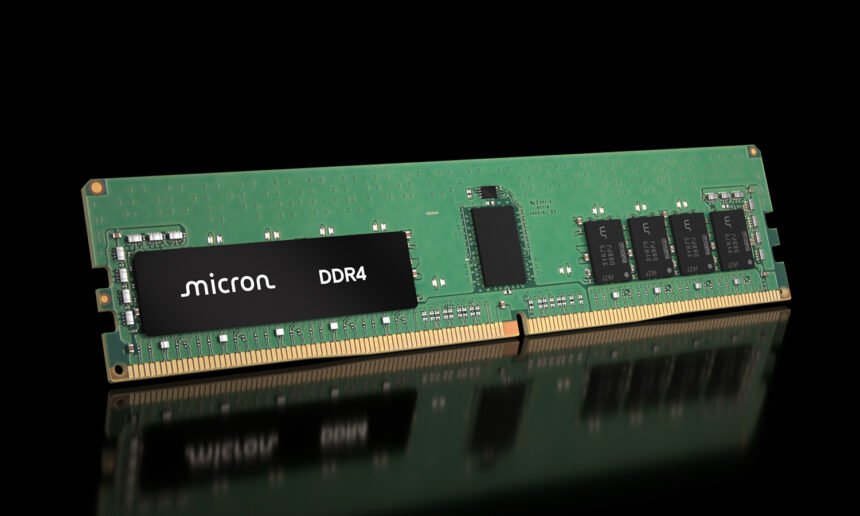
In the late 1970s, a group of engineers in Boise, Idaho, laid the foundation for what would become a semiconductor giant – Micron Technology. Fast forward to 2025, Micron has made a significant announcement that highlights the impact of artificial intelligence on hardware economics. The company has decided to completely exit the consumer memory market, discontinuing its Crucial brand after nearly three decades. This move comes as a response to the surging demand for memory and storage in data centers driven by AI workloads.
The decision by Micron reflects the shifting landscape of the semiconductor industry. With the rise of AI infrastructure, manufacturers like Micron, Samsung, and SK Hynix are facing unprecedented demand for high-bandwidth memory used in AI accelerators and data center servers. As a result, consumer memory prices have soared, making it economically unfeasible for manufacturers to allocate fabrication capacity to lower-margin consumer products.
The exit of Micron from the consumer memory market has broader implications for both consumers and enterprise buyers. Third-party brands that rely on major manufacturers for DRAM chips will now have to compete more aggressively for allocation from Samsung and SK Hynix. This concentration among a few major suppliers creates vulnerabilities in the supply chain, potentially impacting global consumer product availability.
For enterprise buyers, the restructuring of memory markets poses challenges in managing costs and procurement strategies. With memory components representing a significant portion of bill-of-materials costs, any price increases can translate into substantial additional expenditures. Strategic responses include forward purchasing agreements and diversifying vendor partnerships to mitigate the impact of rising memory prices.
Looking ahead, the exit of Micron from the consumer memory market raises critical questions about the future of consumer memory products and the impact on technology accessibility. As AI memory hunger continues to reshape the semiconductor industry, manufacturers are reevaluating their priorities and directing resources towards applications that offer superior returns. The decision by Micron marks a pivotal moment in the industry, signaling a structural transformation driven by the growing demands of AI infrastructure.