

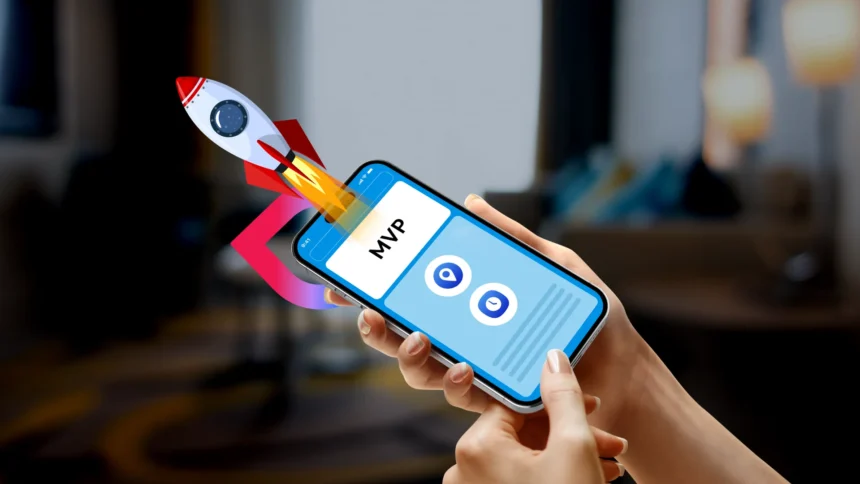
Are you a business owner seeking a faster market entry with reduced costs and valuable market validation? Look no further than the minimum viable product (MVP). This strategic approach can save time, cut costs, and gather essential user feedback to keep you ahead of the competition.
Embarking on the journey of MVP development can be a game-changer for your business. Whether you are a startup testing new products or a well-established company like Uber, Zappos, Twitter, or Facebook, incorporating an MVP can lead to success.
Research by CB Insights reveals that approximately 38% of startups fail due to running out of cash. Therefore, having a clear financial plan can increase your chances of success. Understanding how to build an MVP is crucial in maximizing learning while minimizing risks.
Instead of investing in a fully-featured product, building an MVP involves creating a version with essential functionality to attract initial users. This approach allows for valuable feedback and data directly from the market.
This guide will walk you through everything you need to know about MVP development, from examples to considerations and steps to build a successful MVP. By the end of this article, you will have a clear understanding of how to create a scalable MVP, prioritize features, and make informed decisions based on user feedback.

