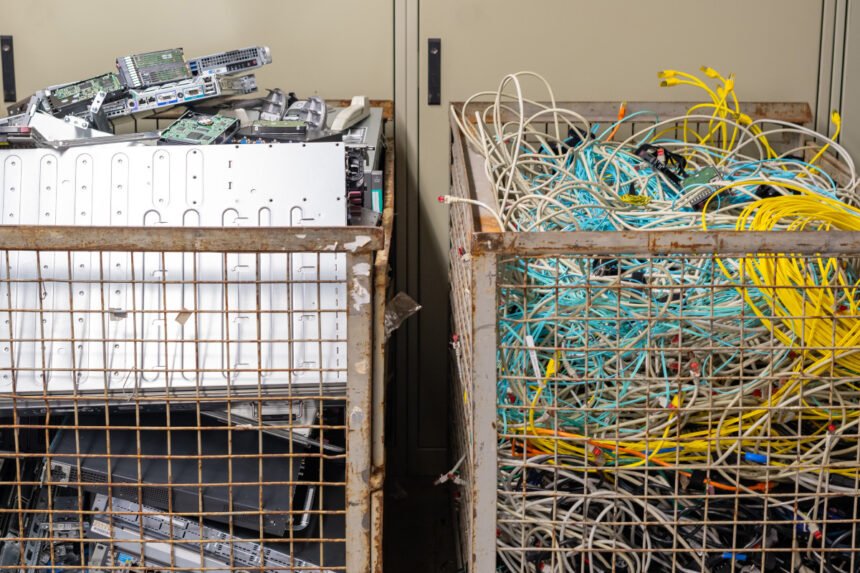
In today’s digital age, the demand for AI technology is skyrocketing, leading to a surge in data centre construction and hardware upgrades. This growth in AI has raised concerns about the environmental impact of data centres, as they consume significant amounts of energy and water for cooling. Additionally, the production of new technology contributes to e-waste, further straining the environment.
One solution gaining traction in the industry is the use of refurbished technology. Refurbished equipment, when sourced from reputable suppliers, is just as reliable as new equipment but offers a more sustainable option. Extending the lifespan of existing hardware reduces the need for constant manufacturing of new components, lowering demand for raw materials and reducing e-waste and carbon emissions.
Despite some doubts about the ability of refurbished technology to keep up with AI workloads, refurbished servers, networking gear, and storage systems have proven to be highly effective, especially when strategically used across hybrid infrastructures. Beyond environmental benefits, using refurbished technology also presents a compelling business case, allowing data centre managers to upgrade their infrastructure sustainably and cost-effectively.
Choosing refurbished technology is not just a cost-saving measure but a practical step towards more sustainable operations in the face of increasing AI adoption and data centre expansion. By integrating refurbished options into a broader sustainability strategy, data centre operators can reduce waste, optimize resources, and demonstrate their commitment to environmental responsibility while staying within budget.