The Midwest has always had a complex relationship with venture capital, with investors flocking in during prosperous times and fleeing to the coasts when markets sour. Drive Capital, based in Columbus, Ohio, weathered its own storm a few years back with a co-founder split that could have spelled the end but ultimately made the firm stronger.
Drive Capital made headlines in May by returning $500 million to investors in just one week. This impressive feat included cashing out of Austin-based Thoughtful Automation and another undisclosed company, along with distributing nearly $140 million worth of Root Insurance shares.
While some may view this as a flashy move, Drive’s limited partners likely welcomed it. According to Chris Olsen, Drive’s co-founder and sole managing partner, achieving this level of liquidity is rare in the venture capital world.
The firm faced uncertainty three years ago when Olsen and co-founder Mark Kvamme, both former Sequoia Capital partners, went their separate ways. Kvamme went on to launch the Ohio Fund, focusing on the state’s economic development across various sectors.
Drive’s recent success can be attributed to its contrarian strategy in an industry obsessed with billion-dollar valuations. Olsen emphasizes the significance of exiting companies at the $3 billion mark, which he believes is a more achievable goal than aiming for unicorn status.
One of Drive’s recent exits, Thoughtful Automation, was described as “near fund-returning” despite falling short of the billion-dollar mark. The AI healthcare automation company was acquired by private equity firm New Mountain Capital and merged with two other companies to form Smarter Technologies.
Drive’s approach of investing in companies outside Silicon Valley’s competitive landscape has led to a mix of wins and losses. The firm’s portfolio includes successful investments like Duolingo and Vast Data, alongside setbacks such as the failure of Olive AI.
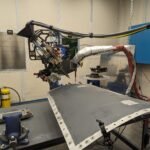
By focusing on startups in traditional industries and diverse geographical locations, Drive sets itself apart from other VCs. The firm’s unique perspective has led to investments in sectors like autonomous welding and dental insurance, reflecting a broader view of the American economy.
As Drive continues to manage its current assets and considers future funds, the firm’s track record remains strong. Olsen reports impressive returns on their investments, positioning Drive as a top performer in the venture capital landscape.
Recent developments in Columbus, such as the announcement of a crypto-focused bank by tech billionaires, further validate Drive’s belief in the city as a growing tech hub. Olsen notes the shift of prominent tech figures from Silicon Valley to other cities, signaling a changing landscape in the tech industry.