

Thursday, 30 Apr 2026
Subscribe
logo logo
  • Global
  • Technology
  • Business
  • AI
  • Cloud
  • Edge Computing
  • Security
  • Investment
  • More
    • Sustainability
    • Colocation
    • Quantum Computing
    • Regulation & Policy
    • Infrastructure
    • Power & Cooling
    • Design
    • Innovations
  • 🔥
  • data
  • revolutionizing
  • Stock
  • Investment
  • Future
  • Secures
  • Growth
  • Top
  • Funding
  • Power
  • Center
  • technology
Font ResizerAa
Silicon FlashSilicon Flash
Search
  • Global
  • Technology
  • Business
  • AI
  • Cloud
  • Edge Computing
  • Security
  • Investment
  • More
    • Sustainability
    • Colocation
    • Quantum Computing
    • Regulation & Policy
    • Infrastructure
    • Power & Cooling
    • Design
    • Innovations
Have an existing account? Sign In
Follow US
© 2022 Foxiz News Network. Ruby Design Company. All Rights Reserved.
Silicon Flash > Blog > Business > Reviving Microsoft’s Success with AI Agents in Windows: A Winning Strategy Revisited
Business

Reviving Microsoft’s Success with AI Agents in Windows: A Winning Strategy Revisited

Published December 30, 2025 By Juwan Chacko
Share
4 Min Read
Reviving Microsoft’s Success with AI Agents in Windows: A Winning Strategy Revisited
SHARE

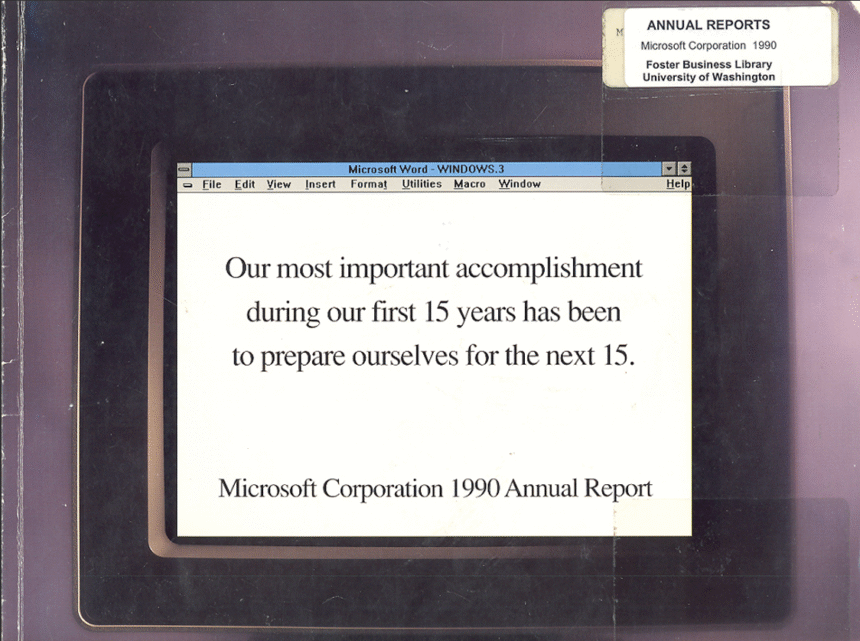
Microsoft’s 1990 annual report marked a pivotal moment for the company as it shifted from MS-DOS to Windows. The transition was likened to bringing a Porsche into a world of Model Ts, highlighting the significant leap in technology. However, the true breakthrough for Microsoft was not just the graphical interface but Windows’ ability to serve as a platform for third-party applications.

With the release of Windows 3.0 in 1990, developers found it easier to create and launch software, thanks to Microsoft’s specifications. This move allowed for a plethora of applications to thrive on the emerging Windows platform. Fast forward thirty-five years, and artificial intelligence (AI) is now the next frontier in technology. Microsoft aims to leverage Windows once again as the launching pad for AI agents.

Recently, Microsoft introduced a new framework called Agent Launchers, offering developers the ability to register agents directly with the operating system. These agents can be described through a manifest and seamlessly integrate with various Windows features, such as the taskbar and Microsoft Copilot. The vision is to create autonomous assistants that can perform tasks on behalf of users, from organizing files to scheduling conflicts.

Microsoft CEO Satya Nadella emphasized the need for engineering sophistication to harness the full potential of AI in the real world. This includes orchestrating multiple models, accounting for memory, and ensuring safe tool use. The goal is to create AI agents that operate more like the human brain, with deep learning capabilities.

While Google, Amazon, and startups like Vercept are also exploring AI agents, Microsoft’s focus on tightly integrating agents with the Windows operating system sets it apart. By making Windows the home for agents that serve individual users directly on their machines, Microsoft is positioning itself to compete in the evolving landscape of AI technology.

See also  Navigating the Data Deluge: A Guide to Riding the Waves

However, the shift to AI agents poses unique security risks, as agents must maintain context across apps, ask follow-up questions, and take actions on behalf of users. Microsoft has implemented a security framework to address these concerns, running agents in a contained workspace with limited access to user folders.

Despite the challenges, Microsoft’s Agent Launchers represent a strategic move to make Windows a hub for AI agents in a world where the PC competes with smartphones, browsers, and cloud platforms. In the enterprise space, Microsoft’s Azure and business-focused agents give the company a strong foothold in the AI market. As technology continues to evolve, Microsoft’s bet on AI agents could reshape the future of computing.


Microsoft has the capability to develop a platform, but there is no guarantee that developers will flock to it as they did decades ago. Unlike the 1990s, Microsoft cannot rely on users to readily adopt its offerings. Some users feel that the integration of AI features into Windows is more of a strategic move to justify Microsoft’s significant AI investments rather than meeting user demand. In recent announcements, Microsoft introduced new AI features like voice activation and enhanced taskbar capabilities, aiming to enhance user experience and potentially upsell premium services. This push towards AI integration is driven by the need to revitalize Windows revenue, which has remained stagnant over the past few years. While Windows may not reclaim its former glory as the primary revenue generator for Microsoft, AI integration presents an opportunity for growth and sustainability in an evolving tech landscape.
TAGGED: agents, Microsofts, Revisited, Reviving, Strategy, Success, Windows, winning
Share This Article
Facebook LinkedIn Email Copy Link Print
Previous Article 1 Top Energy Stock to Securely Invest in for the Long Haul, Beyond 2030 1 Top Energy Stock to Securely Invest in for the Long Haul, Beyond 2030
Next Article Building Long-Term Wealth: 2 High-Yield Dividend Stocks to Add to Your Portfolio Building Long-Term Wealth: 2 High-Yield Dividend Stocks to Add to Your Portfolio
Leave a comment

Leave a Reply Cancel reply

Your email address will not be published. Required fields are marked *

Your Trusted Source for Accurate and Timely Updates!

Our commitment to accuracy, impartiality, and delivering breaking news as it happens has earned us the trust of a vast audience. Stay ahead with real-time updates on the latest events, trends.
FacebookLike
LinkedInFollow

Popular Posts

The Importance of Evaluating Internal and External Data for an Effective Cyber Risk Strategy

In his article, Ivan Milenkovic, Vice President of Cyber Risk Technology at Qualys, emphasizes the…

May 26, 2025

Microsoft criticises CMA over ‘fundamental mistake’ in UK cloud probe

Unlock the Editor’s Digest for freeMicrosoft has raised concerns about the UK’s antitrust regulator's approach…

April 27, 2025

Top ETFs to Add to Your Portfolio Today

Summary: 1. ETFs are a popular investment option, offering a variety of passive and active…

December 6, 2025

Revolutionizing Venture Capital: Brian Singerman Secures $500M for Innovative Fund Approach

Former General Partner at Founders Fund, Brian Singerman, and Lee Linden, co-founder and managing partner…

July 15, 2025

The Potential Impact of Archer Aviation’s Partnership with Nvidia

Summary: 1. Archer Aviation is collaborating with Nvidia for next-generation aviation systems. 2. The partnership…

January 11, 2026

You Might Also Like

The Soaring Success of Lockheed Martin Stock Today
Investments

The Soaring Success of Lockheed Martin Stock Today

Juwan Chacko
Revolutionizing Entertainment: OpenAI and Reliance Collaborate to Enhance JioHotstar with AI-Powered Search
Business

Revolutionizing Entertainment: OpenAI and Reliance Collaborate to Enhance JioHotstar with AI-Powered Search

Juwan Chacko
Former Amazon Executive Takes the Helm at Remitly as CEO Matt Oppenheimer Steps Down
Business

Former Amazon Executive Takes the Helm at Remitly as CEO Matt Oppenheimer Steps Down

Juwan Chacko
Navigating the Pitfalls: A Guide for SMBs in Application Modernization
Business

Navigating the Pitfalls: A Guide for SMBs in Application Modernization

Juwan Chacko
logo logo
Facebook Linkedin Rss

About US

Silicon Flash: Stay informed with the latest Tech News, Innovations, Gadgets, AI, Data Center, and Industry trends from around the world—all in one place.

Top Categories
  • Technology
  • Business
  • Innovations
  • Investments
Usefull Links
  • Home
  • Contact
  • Privacy Policy
  • Terms & Conditions

© 2025 – siliconflash.com – All rights reserved

Welcome Back!

Sign in to your account

Lost your password?