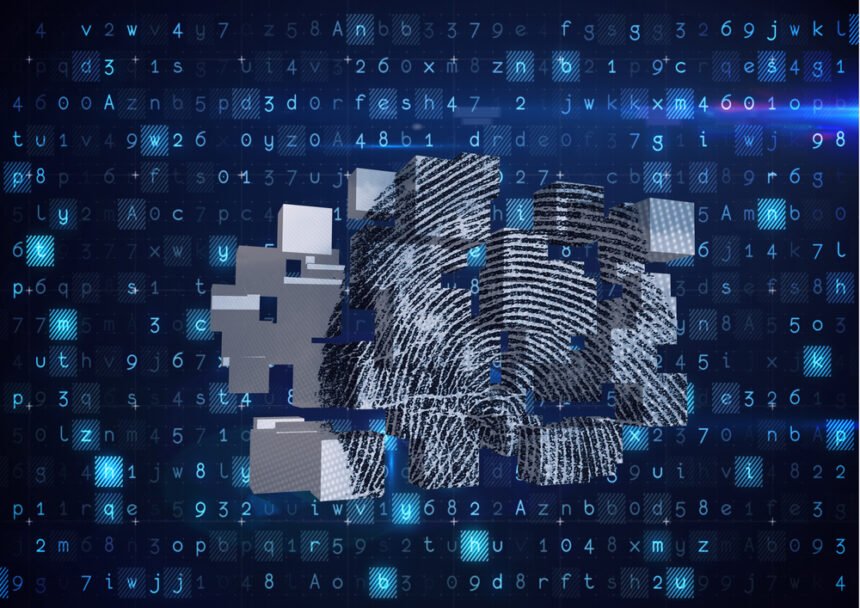
The Rise of Biometrics: A New Era of Secure Authentication
With the mounting digital security challenges, the transition from passwords to biometric authentication methods is gaining traction. Biometric identification, which utilizes unique physical traits such as fingerprints and facial recognition, offers a more secure alternative to traditional passwords. These methods are inherently tied to the individual, making unauthorized access more difficult.
In addition to providing heightened security, biometric authentication also appeals to users by offering convenience and eliminating the need for frequent password updates. Organizations are increasingly adopting biometrics to bolster their security measures in the face of evolving cyber threats, signaling a shift towards a new standard in personal security.
Understanding Biometric Identification: Your Body as a Key
Biometric identification transforms the body into a key, linking individuals uniquely to their devices and accounts. This technology relies on measurable physical or behavioral traits like fingerprints and facial recognition to verify identity. Equipped with biometric sensors, devices capture these traits and convert them into digital data for secure authentication.
As biometric identification evolves, its application in personal security becomes increasingly critical in safeguarding sensitive information and streamlining the user experience.
Exploring Advanced Biometric Security: Beyond Fingerprints
While fingerprints have long been the cornerstone of biometric security, advancements in technology are paving the way for more sophisticated methods of identification. Technologies like iris recognition and facial recognition offer high levels of accuracy and speed in verifying identity.
Emerging innovations like vein pattern recognition are exploring alternative methods for securing sensitive information, promising to redefine personal security standards more securely and efficiently.
Ensuring Responsible Biometric Data Management: Building Trust in Security
Trust is paramount in biometric data management, requiring businesses to implement stringent security measures to protect sensitive information. Transparent communication with users about how their biometric data is used and stored is essential in fostering trust and responsible data management.
Collaborating with cybersecurity experts and staying abreast of best practices in biometric data protection can help businesses mitigate potential threats and build a secure environment for identity verification.
The Future of Secure Identities: Innovations in Biometric Technology
As technology advances, secure identities are poised for transformation with the integration of multiple biometric modalities and decentralised identity solutions. Artificial intelligence will play a crucial role in real-time analysis of biometric data to prevent identity theft and enhance security protocols.
As society embraces a digital-first world, the convergence of biometrics and technology will redefine secure identities, fostering a safer environment for personal and financial interactions.
Embracing Secure Identities: The Path Forward
Biometrics offer a pivotal solution in enhancing protection and user convenience in the evolving landscape of personal security. However, responsible handling of biometric data is paramount to ensure trust and a secure future for identity verification in the digital age.
The era of secure identities has arrived, ushering in a new era of authentication that prioritizes security, convenience, and trust.