The search for a comparison to the spending projections – which came as the four reported earnings in the past two weeks – requires going back at least as far as the telecommunications bubble of the 1990s, and perhaps to the build-out of the US railroad networks in the 19th century, the postwar federal investments in interstate highways or New Deal-era relief programs.
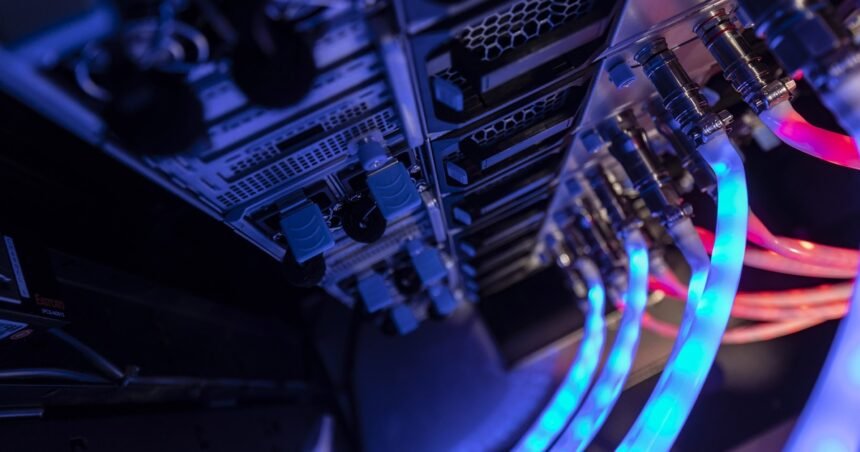
The ever-larger numbers – in total, an estimated 60% increase from a year ago – means yet another acceleration in the wave of data center construction taking place around the world and in the financing boom required to pay for all of it. The sprint to build these sprawling facilities, which hold racks of humming servers powered by expensive processors, has touched off an unprecedented level of borrowing, pinched energy supplies and brought developers into conflict with communities worried about rising power and water costs.
It also raises the risk that expenditures by a narrow set of affluent companies, already accounting for a rising share of economic activity in the US, could distort big-picture data such as construction spending, gross domestic product, durable goods and employment reports, potentially making the overall economy look healthier than it actually is.
The four companies “see the race to provide AI compute as the next winner-take-all or winner-takes-most market,” said Gil Luria, an analyst at DA Davidson. “And none of them is willing to lose.”
Last week, Meta said full-year capex will rise to as much as $135 billion – a potential jump of about 87%. Microsoft the same day reported a 66% increase in second-quarter capital spending, topping estimates, and analysts project it will shell out almost $105 billion in capex for the fiscal year ending in June. The news triggered the second-biggest single-day decline in market value for any stock.
By contrast, the largest US-based automakers, construction equipment manufacturers, railroads, defense contractors, wireless carriers, parcel delivery outfits, along with Exxon Mobil, Intel, Walmart, and the spun-off progeny of General Electric – 21 companies – are projected to spend a combined $180 billion in 2026, according to estimates compiled by Bloomberg.