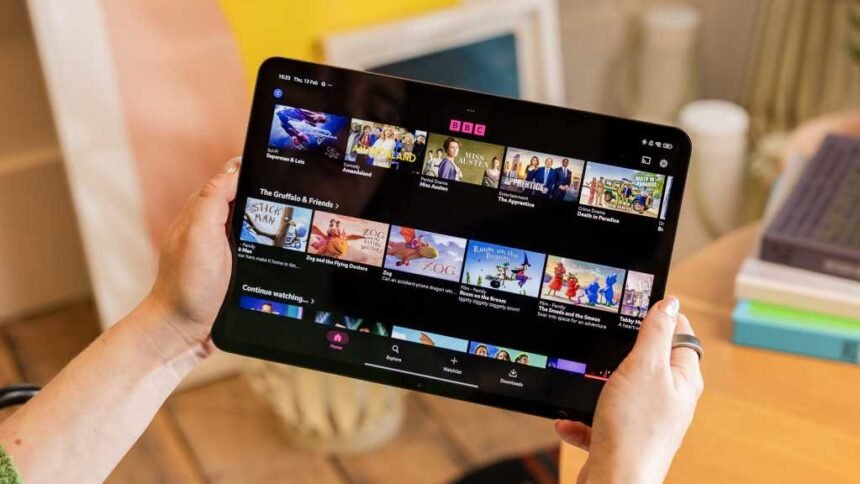
The BBC has officially announced a groundbreaking partnership with YouTube, promising viewers the opportunity to enjoy popular series completely free of charge, without the need for a TV licence.
The collaboration signifies a significant shift in the BBC’s approach, as the content offered on YouTube will be specifically tailored for the platform, potentially alongside availability on iPlayer. The diverse range of content will span various genres including entertainment, children’s programming, documentaries, news, and sports, with the Winter Olympics serving as the inaugural event.
This move is poised to cater to younger, app-centric audiences who prefer consuming content on platforms like YouTube. By tapping into the global advertising revenue potential of YouTube, the BBC aims to drive traffic to its iPlayer services while enhancing its reach and engagement with new audiences.
Viewers in the UK stand to benefit from ad-free viewing on YouTube, raising the possibility of forgoing the traditional TV licence model. On a global scale, the collaboration with YouTube presents an opportunity for the BBC to generate funds and expand its viewership without the need for workarounds like VPNs.
The decision to leverage YouTube’s immense reach comes at a time when BBC Studio content is experiencing significant growth in viewership and engagement, particularly among younger demographics. Tim Davie, the BBC’s Director General, views this partnership as a means to connect with audiences in innovative ways and introduce them to BBC’s flagship services like iPlayer and Sounds.
While the specifics of the content lineup on YouTube remain undisclosed, the move marks a strategic shift for the BBC, opening up new avenues for content distribution and audience engagement. This evolution in broadcasting strategy reflects the changing preferences of modern viewers and underscores the BBC’s commitment to staying relevant in a digital age.