

This article contains spoilers for the film 28 Years Later: The Bone Temple.
The third installment, “28 Years Later: The Bone Temple,” directed by Nia DaCosta, embraces the unpredictability and emotional depth of its predecessors. While the film features minimal zombies, it centers around Jimmy Crystal, the leader of a cult led by Spike. Crystal believes himself to be the son of Satan and manipulates his followers into Satanism. As the story unfolds at the bone temple created by Dr. Kelson, a unique and unexpected climax emerges, highlighting the film’s bold storytelling and captivating nature.
Nia DaCosta’s film returns to its predecessor’s gloriously unpredictable nature and striking emotional core
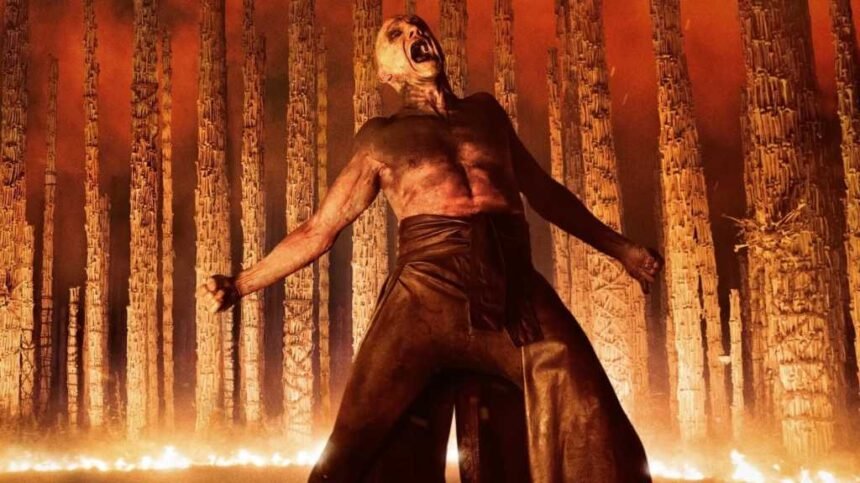
The defining moment of “The Bone Temple” comes in the form of a surprising musical performance by Ralph Fiennes as Dr. Kelson. In an attempt to convince Crystal’s followers of his demonic identity, Kelson stages a theatrical show featuring a lip-sync rendition of Iron Maiden’s “The Number of the Beast.” This unexpected twist adds a layer of excitement and intensity that surpasses traditional horror elements, showcasing Fiennes’ exceptional acting skills and the film’s daring approach to storytelling.
It delivers the excitement that a bloody brawl could only dream of
The emotional climax of Fiennes’ performance as Kelson in “The Bone Temple” captures the essence of the film’s boldness and unpredictability. His portrayal of a man on the brink of darkness, embodying the persona of Satan, resonates with viewers on a visceral level. This pivotal scene not only showcases Fiennes’ talent but also encapsulates the essence of the entire “28” film series, leaving a lasting impression on audiences and solidifying the film’s reputation as a groundbreaking and unforgettable cinematic experience.

