Understanding Small Modular Reactors
Small Modular Reactors (SMRs) are designed to produce between 50-300 MW of power per unit, with standardized designs for faster deployment compared to traditional reactors. Tech giants like Microsoft, Google, Amazon, and Meta have shown interest in SMRs for commercial deployment by the early 2030s.
The Challenge in Texas
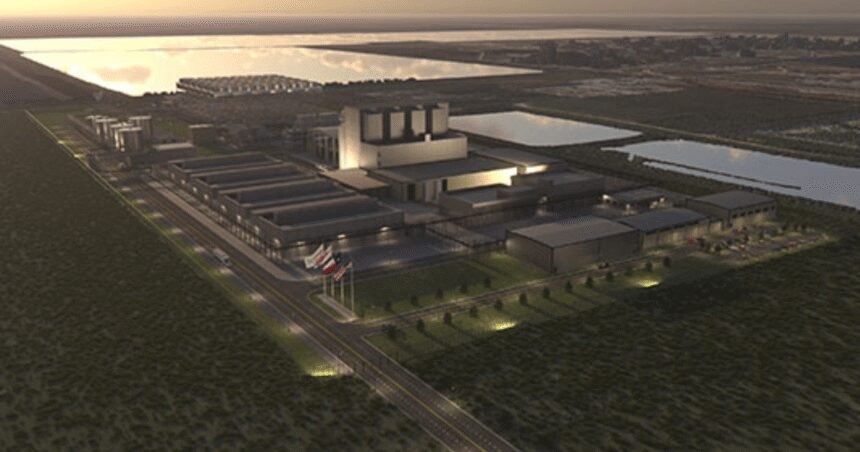
The Texas SMR project, proposing X-energy’s Xe-100 model, faced opposition from the San Antonio Bay Estuarine Waterkeeper on financial qualification grounds. While the project remains viable, the ruling signals increased scrutiny for future SMR applications.
The Case for SMRs in Data Centers
The surge in AI workloads has significantly altered data center energy needs, prompting interest in SMRs for their ability to provide consistent, carbon-free power with a smaller footprint. SMRs offer long-term price stability and the potential to match energy output with demand growth efficiently.
Challenges in Regulation and Environment
Nuclear power, including SMRs, faces stringent regulatory requirements and must address safety and waste management concerns. In the US, licensing remains a critical bottleneck, with efforts underway to streamline regulations for advanced reactors like SMRs.
The Future of SMRs
Despite the financial-qualification challenge in Texas, SMRs continue to hold promise for data center operators. Engaging early with regulators and communities, addressing key issues upfront, and designing holistic power systems are crucial steps for navigating the regulatory landscape.
Ultimately, transitioning SMRs from pilot projects to proven infrastructure hinges on demonstrating predictable deployment timelines and establishing reliable financing structures.