

Saturday, 9 May 2026
Subscribe
logo logo
  • Global
  • Technology
  • Business
  • AI
  • Cloud
  • Edge Computing
  • Security
  • Investment
  • More
    • Sustainability
    • Colocation
    • Quantum Computing
    • Regulation & Policy
    • Infrastructure
    • Power & Cooling
    • Design
    • Innovations
  • 🔥
  • data
  • revolutionizing
  • Stock
  • Investment
  • Future
  • Secures
  • Growth
  • Top
  • Funding
  • Power
  • Center
  • technology
Font ResizerAa
Silicon FlashSilicon Flash
Search
  • Global
  • Technology
  • Business
  • AI
  • Cloud
  • Edge Computing
  • Security
  • Investment
  • More
    • Sustainability
    • Colocation
    • Quantum Computing
    • Regulation & Policy
    • Infrastructure
    • Power & Cooling
    • Design
    • Innovations
Have an existing account? Sign In
Follow US
© 2022 Foxiz News Network. Ruby Design Company. All Rights Reserved.
Silicon Flash > Blog > Innovations > Analyzing the Progress of the EU AI Act: Towards a Better Future?
Innovations

Analyzing the Progress of the EU AI Act: Towards a Better Future?

Published August 4, 2025 By Juwan Chacko
Share
4 Min Read
Analyzing the Progress of the EU AI Act: Towards a Better Future?
SHARE
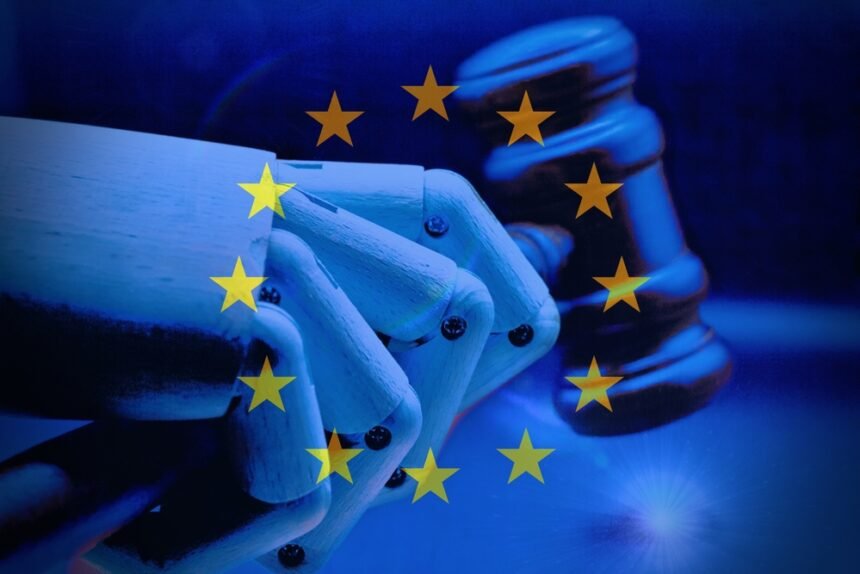
The EU Artificial Intelligence Act has been introduced to regulate the development of AI systems within the EU by categorizing them based on various levels of risk. The main goal of this legislation is to ensure the safety and security of AI systems while promoting trustworthy AI development. In this article, we have gathered insights from four experts in the technology sector to discuss the effectiveness of this new regulation and analyze its potential impact on the industry.

Enhancing Security with Risk Reduction

One of the key features of the EU AI Act is the classification of AI systems based on their risk levels. This clear identification of security risks allows businesses to manage the trustworthiness of their AI systems effectively.

Martin Davies, Audit Alliance Manager at Drata, emphasizes the Act’s role in reducing risks for end users. By restricting the use of high-risk AI applications, the legislation aims to mitigate the potential misuse of AI techniques, especially in areas like surveillance.

Ilona Cohen, Chief Legal and Policy Officer at HackerOne, underscores the importance of strong security measures in AI systems. She applauds the Act for maintaining measures like active red-teaming, bug bounty programs, and AI model evaluations to address security concerns and prevent unintended outcomes.

Furthermore, Davies points out that even permitted high-impact AI systems will undergo impact assessments, ensuring that organizations understand and communicate potential consequences. This accountability will lead to a safer and more reliable AI ecosystem within the EU, fostering innovation within defined boundaries.

Global Preparation for AI Regulation

Across the globe, governments are increasingly focusing on AI regulation and compliance. However, achieving regulatory cohesion on a global scale poses significant challenges.

See also  Automating Refurbishment: Revolutionizing Circular Electronics

Hugh Scantlebury, CEO and Founder of Aqilla, highlights the complexities of regulating AI technology worldwide. He argues that without a global agreement, attempts by individual regions or countries to regulate AI may lead developers to relocate to jurisdictions with less stringent regulations, raising concerns about oversight and enforcement.

Darren Thomson, Field CTO EMEAI at Commvault, notes the regulatory differences between the EU, UK, and the US in approaching AI governance. While the EU AI Act prioritizes regulation, the UK favors a lighter touch, and the US aims to streamline regulations to lead the global AI race. This divergence creates challenges for organizations navigating the evolving landscape of AI governance and cybersecurity.

Scantlebury emphasizes the transformative potential of AI and the need for a thoughtful approach to regulation. As AI continues to evolve rapidly, he questions the feasibility of keeping pace with legislation and underscores the importance of global cooperation in shaping the future of AI regulation.

In conclusion, the EU AI Act represents a significant step towards regulating AI development and ensuring the safety and security of AI systems. However, achieving a harmonized global approach to AI regulation remains a formidable challenge, with implications for innovation, security, and oversight in the evolving AI landscape.

TAGGED: Act, Analyzing, Future, Progress
Share This Article
Facebook LinkedIn Email Copy Link Print
Previous Article Hunyuan AI: Unlocking a World of Versatility with Tencent’s Open-Source Models Hunyuan AI: Unlocking a World of Versatility with Tencent’s Open-Source Models
Next Article Blue J Secures 2 Million in Latest Funding Round Blue J Secures $122 Million in Latest Funding Round
Leave a comment

Leave a Reply Cancel reply

Your email address will not be published. Required fields are marked *

Your Trusted Source for Accurate and Timely Updates!

Our commitment to accuracy, impartiality, and delivering breaking news as it happens has earned us the trust of a vast audience. Stay ahead with real-time updates on the latest events, trends.
FacebookLike
LinkedInFollow

Popular Posts

Pinco Casino: Your Ultimate Online Gaming Destination

In the fast-paced world of online gambling, finding a trustworthy player can be a challenging…

November 9, 2025

Enhancing Network Security: WatchGuard Introduces High-Speed Networking and AI-Powered Features to Tabletop Firewall Series

The T185 model from WatchGuard stands out for its Intel processor, making it one of…

August 7, 2025

Save £70 on Withings’ Body Scan this Black Friday!

When it comes to smart scales, Withings sets the bar high. The latest models -…

November 22, 2025

Seattle Voters to Decide Fate of Tax Hike for Big Companies and Cuts for Small Businesses

Seattle City Council members have passed a tax overhaul that aims to eliminate business taxes…

August 5, 2025

EdgeX: Uniting Deepx and DeGirum for a Powerful AI Platform

Deepx and DeGirum have come together in a strategic partnership to bring cutting-edge, scalable edge…

July 15, 2025

You Might Also Like

Empowering Innovation: The Role of Design Enablement Teams in the European Chips Act
Innovations

Empowering Innovation: The Role of Design Enablement Teams in the European Chips Act

Juwan Chacko
Battle of the Streaming Titans: Analyzing Netflix and Roku as Buy-the-Dip Opportunities
Investments

Battle of the Streaming Titans: Analyzing Netflix and Roku as Buy-the-Dip Opportunities

SiliconFlash Staff
Secure Access: Biometric Passwordless Login and EU Digital Wallet Protection Platform
Innovations

Secure Access: Biometric Passwordless Login and EU Digital Wallet Protection Platform

Juwan Chacko
Unlocking the Future: The Crucial Role of Memory in AI Infrastructure Optimization
Cloud

Unlocking the Future: The Crucial Role of Memory in AI Infrastructure Optimization

Juwan Chacko
logo logo
Facebook Linkedin Rss

About US

Silicon Flash: Stay informed with the latest Tech News, Innovations, Gadgets, AI, Data Center, and Industry trends from around the world—all in one place.

Top Categories
  • Technology
  • Business
  • Innovations
  • Investments
Usefull Links
  • Home
  • Contact
  • Privacy Policy
  • Terms & Conditions

© 2025 – siliconflash.com – All rights reserved

Welcome Back!

Sign in to your account

Lost your password?