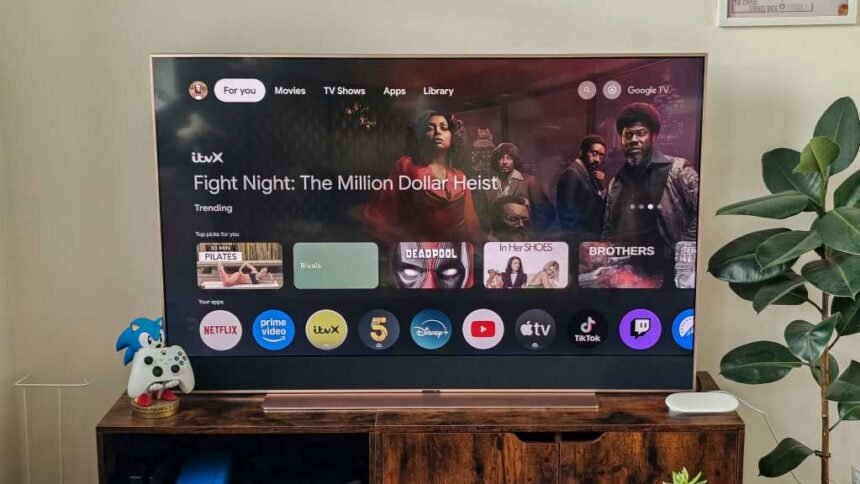
The Google TV UI focuses on organizing apps like YouTube, Netflix, and HBO Max. However, many users find the interface cluttered and overwhelming, with an abundance of recommendations and suggestions, even from uninstalled apps. The home screen can feel bloated with ads and algorithmic recommendations that overshadow personal content discovery.
Nevertheless, there are several apps that can enhance the Google TV experience. Five apps, in particular, have proven to be beneficial for daily use, making smart TV usage more enjoyable.
Projectivy Launcher replaces the default home screen with a simplified app grid, eliminating ads and heavy recommendations. This results in a smoother navigation experience and faster performance. The launcher offers customization options, allowing users to organize apps, create custom categories, and adjust layout density.
SmartTube is a YouTube client designed for TV devices that blocks ads and integrates SponsorBlock to skip sponsor messages. It supports high resolutions and provides more control over playback settings, enhancing the viewing experience.
tvQuickActions (or Button Mapper) addresses limitations in Google TV remotes by allowing users to remap buttons and create shortcuts for quick access to apps and settings. The app improves navigation and usability, offering advanced features with a Pro upgrade.
LocalSend facilitates file transfer between devices without the need for internet connection or cloud services. This peer-to-peer sharing app simplifies the process of transferring files to and from Google TV devices.
atvTools serves as a comprehensive tool for managing Google TV from a smartphone, offering remote control functionalities, file management, app sideloading, and performance monitoring features. The app provides real-time insights into system resources and allows users to troubleshoot performance issues.
While these apps enhance the Google TV experience, there is still room for improvement in the overall smart TV ecosystem. Collaboration between TV brands and Google is necessary to deliver a more seamless and efficient user experience in the future.