Summary:
1. The data center industry is rapidly evolving to meet the demands of AI and high-performance computing.
2. Trends such as liquid cooling, extreme rack densities, industrialized delivery, grid constraints, AI-driven operations, and sustainability pressures are reshaping facility design.
3. The future of data center design in 2026 will be characterized by fast-changing standards, higher densities, closer integration between disciplines, and faster delivery under tighter constraints.
In the fast-evolving world of data center design, trends like liquid cooling, extreme rack densities, and sustainability pressures are driving significant changes in facility design and delivery. As AI and high-performance computing continue to push demand, the industry is adapting to accommodate higher densities and faster delivery times. Let’s explore how these trends are shaping the future of data center design in 2026:
1. Embracing Liquid Cooling:
Liquid cooling is no longer a niche consideration but a standard part of data center design. With rack densities increasing beyond the limits of air cooling, direct-to-chip and rack-level liquid systems are becoming commonplace. The focus now is on standardization and interoperability to ensure seamless integration with power and monitoring systems.
2. Managing Extreme Rack Densities:
Design loads exceeding 100-200 kW per rack are becoming more common, challenging the mechanical and electrical architecture of data centers. Cooling systems, power distribution, and structural layouts are being reimagined to support high densities. The key challenge for 2026 will be designing facilities that can handle varying densities while remaining serviceable and safe to operate.
3. Industrial-Scale Delivery:
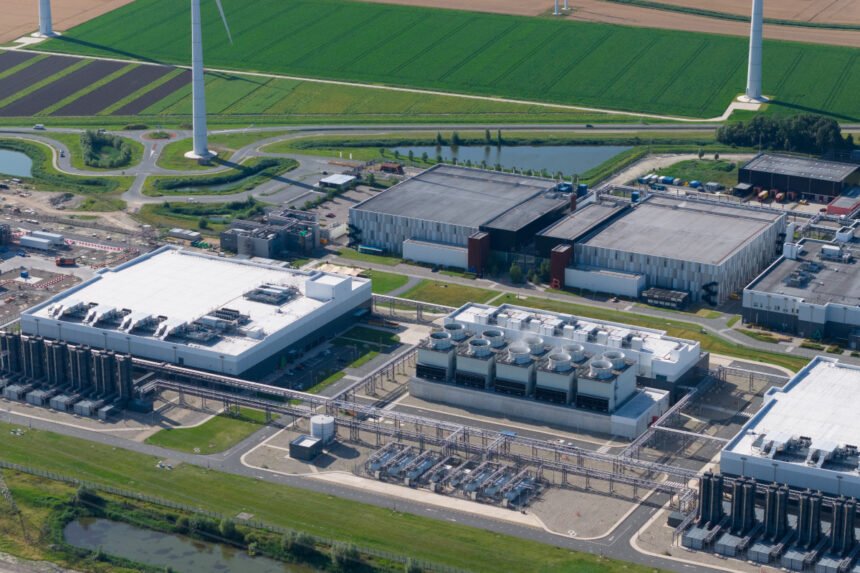
Data center development is shifting towards industrialization, with projects becoming larger and more complex. Single buildings are now part of multi-building campuses, delivered in phases as industrial assets. Engineering is moving towards productization, treating power systems and cooling plants as configurable industrial products deployable across regions.
4. Power Innovation under Grid Constraints:
Securing reliable and scalable power is a major challenge for new data center capacity. Developers are exploring on-site generation and grid-level energy storage solutions to address grid constraints. The focus is on developing resilient power systems that can adapt to shifting grid availability and regulatory requirements.
5. AI-Driven Operations and Design:
Artificial intelligence is becoming integrated into every stage of the data center lifecycle, from design to operation. AI is used to optimize airflow, power distribution, and overall facility performance. The future will see AI driving converged networks and live digital twins for continuous performance testing and refinement.
6. Sustainability as a Design Discipline:
Sustainability is now a central design principle for data centers, influencing decisions on materials, energy efficiency, and waste heat recovery. Developers and operators who can demonstrate measurable progress in sustainability will find it easier to secure planning consent and investment support.
The data center industry is on a trajectory of rapid change, driven by the demands of AI, sustainability, and industrial-scale delivery. By embracing trends like liquid cooling, extreme rack densities, and AI-driven operations, data center designers are shaping the future of facility design in 2026.