Embarking on a groundbreaking initiative to deepen ties between the UK and the US, the £150 billion ‘Tech Prosperity Deal’ aims to foster collaboration in AI, digital infrastructure, and emerging industries. Despite its ambitious goals, the deal overlooks a critical component essential for the success of technology: power, specifically clean energy.
Presently, UK data centers consume approximately 2.5% of the nation’s electricity, equivalent to the entire consumption of Birmingham. Projections from parliamentary analysis suggest that this figure could quadruple by 2030, reaching over 22 terawatt-hours annually. At the same time, the International Energy Agency predicts a scenario where AI workloads could contribute to a fifth of the additional electricity demand in advanced economies by that time.
Many data centers in the UK predominantly rely on fossil fuels, and even those claiming to be “100% renewable” often rely on certificates that are not directly linked to actual consumption. This, coupled with worsening grid limitations, has raised concerns. Leaders in the FTSE 250 sector caution that delays in grid enhancements could leave the UK lagging behind countries offering faster, cleaner energy solutions for data-centric industries.
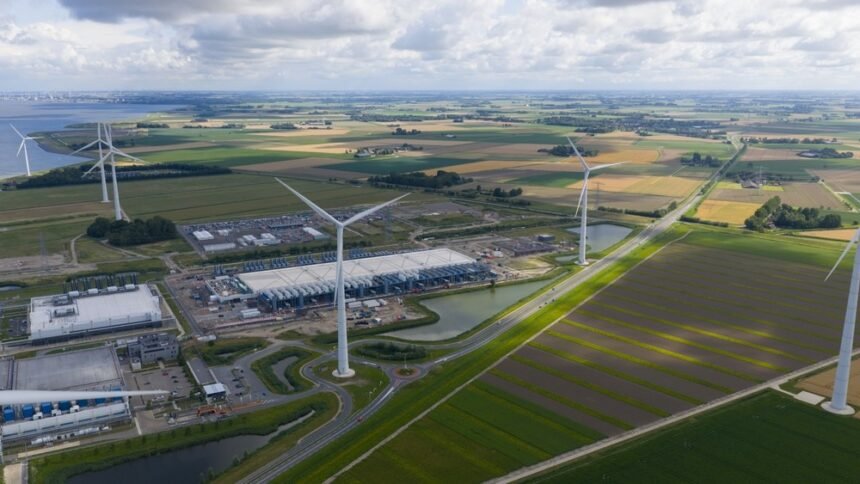
Data centers have the potential to accelerate the transition to clean energy by supporting new renewable sources, energy storage, and flexibility services. The key lies in implementing transparent systems that align supply and demand, a concept exemplified by UrbanChain.
Situated in the Manchester Science Park, UrbanChain has developed a renewable energy operating system that connects renewable energy sources with consumers. By moving away from traditional suppliers that rely on disconnected certificates, UrbanChain facilitates private energy markets that offer 24/7 traceable renewable power at competitive prices, shielded from wholesale market fluctuations.
UrbanChain recently made a groundbreaking agreement to supply 40 GWh of renewable energy annually to a major data center in London. Through blockchain technology, UrbanChain aligns the center’s energy demands with verified generators, ensuring transparent validation of the energy source at all times.
This innovative model sets a precedent for how critical infrastructure like data centers can drive decarbonization by providing transparent, reliable energy solutions to tenants across various sectors, from finance to AI companies.
For the UK-US prosperity deal to truly thrive, it must prioritize clean energy infrastructure as the backbone of digital expansion. This involves integrating UrbanChain’s renewable systems into data center planning, aligning investment areas with renewable energy production, and recognizing the value of exporting climate technology.
UrbanChain serves as a prime example of how British innovations are bridging the gap between energy and digital transitions, paving the way for a future driven by data.
Ultimately, the prosperity deal marks a significant economic milestone. However, real prosperity hinges on accessible, affordable, and resilient energy sources, illuminating the path for sustainable, future-proof energy solutions.