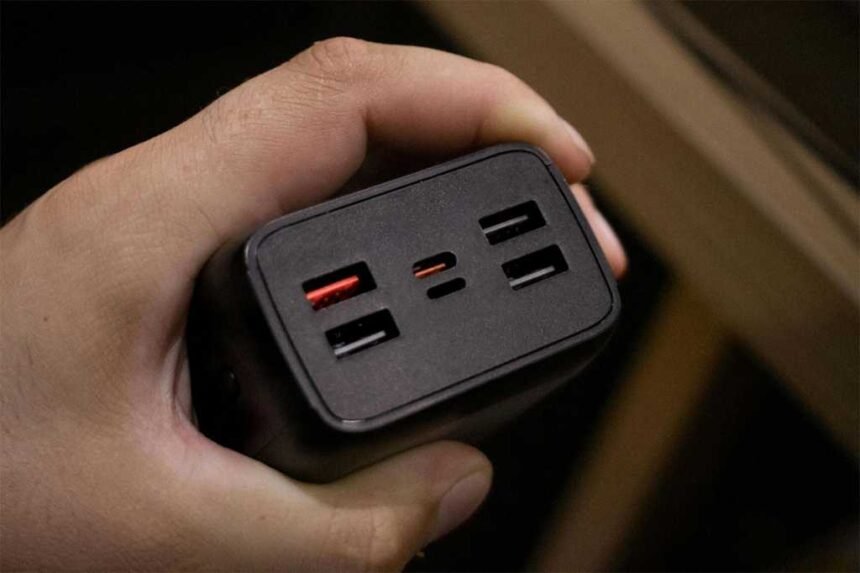
When Apple made the switch from Lightning to USB-C a few years back, it was met with enthusiasm, especially in regions like the UK and Europe where new regulations prompted the change. The idea was to bring order to the chaos of multiple cables and chargers by standardizing on USB-C across devices. However, the transition to a USB-C world has not been as smooth as expected. The confusion surrounding which cables and chargers are compatible with different devices remains as complex as ever.
That was the idea, but the promised USB-C paradise has not materialised. While the vast majority of electronic gadgets have USB-C connectors, the confusion over which cables and chargers work with which devices is at least as complicated as it was five years ago.
In some ways, it’s worse – especially as chargers are not typically supplied in the box any longer – but we can help explain all the USB-C charging jargon, standards and speeds to help you find the right one for your phone, tablet or other tech.
Here’s what the rules say
The EU USB-C requirement, known as the Common Charger Directive, became law at EU level in 2022, updating the older Radio Equipment Directive from 2014. It is up to each Member State to transpose the rules into its own laws.
Luke Baker
“The requirements apply to products placed on the market after 28 December 2024. There may be products left in stock after this date that do not support the USB-C requirements and that may be sold out. If the product is covered, it should be possible to charge with any charger, but you may not have access to the maximum charging power,” says Birger Hägg at the Swedish Post and Telecom Authority.
The following product categories must have a USB-C connector for charging, and supplying a charger is optional:
- Mobile phones
- Tablets
- Digital cameras
- Wireless headphones, headsets and earbuds
- Handheld game consoles
- Portable speakers
- Keyboards and mice
- Portable navigation systems
- Laptops (from 28 April 2026)
Hägg says the rules only apply to the connectors themselves, but there is an additional requirement. If a product covered by the rules can be charged with over 5V, 3A of current or 15W of power, it must support the USB-PD (power delivery) standard (see below). Manufacturers are free to use other technologies on the side as well, as long as it does not negatively affect compatibility with USB-C and USB-PD.
A European Commission spokesperson says that the Commission is continuously evaluating the market to determine whether additional categories should be added to the list.
“In addition to the rules on a common charger under the Radio Equipment Directive, the Commission is expected to soon introduce an update to the Ecodesign Regulation with new requirements for all external power adapters that charge or power consumer electronics. The new rules will require that power adapters support the USB-C specifications.”
Europeiska kommissionen
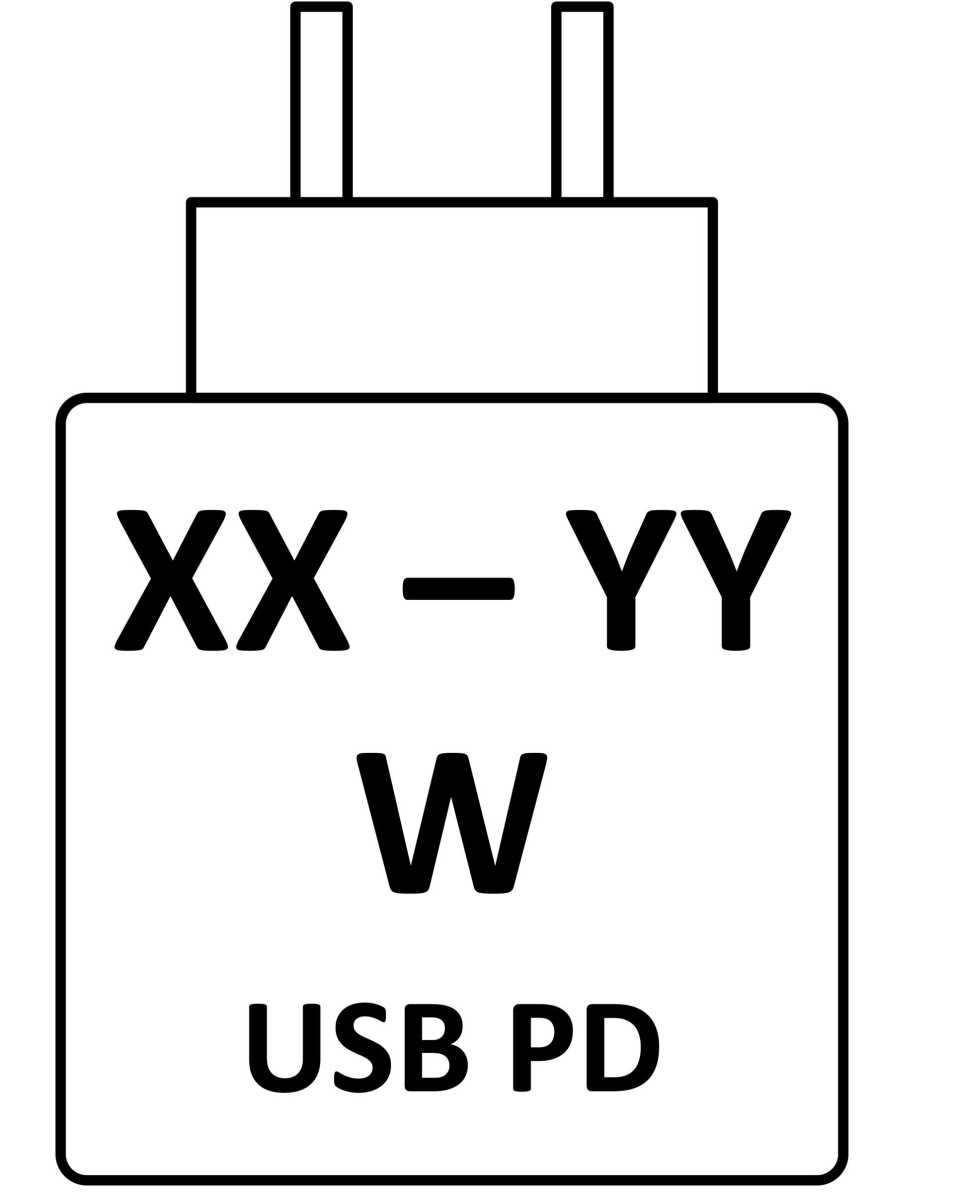
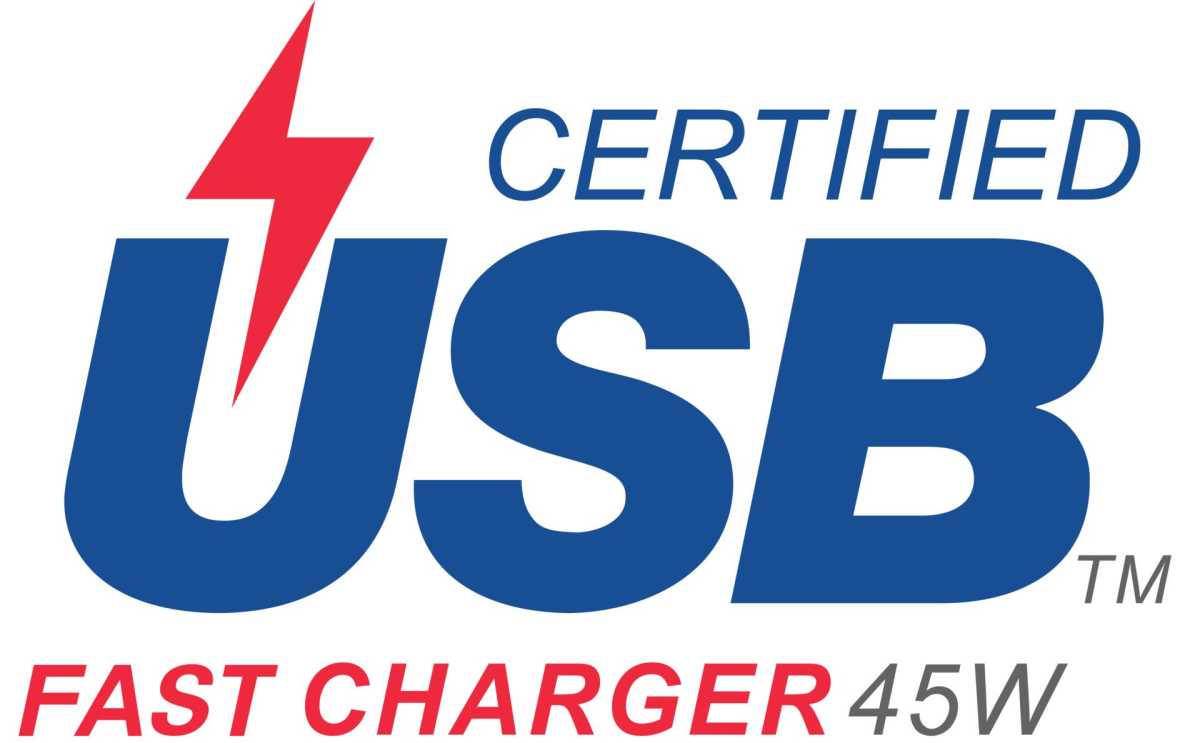
In practice, this means that all chargers of more than 15W will support USB-PD in the future and will be labelled with a logo clearly showing the maximum and minimum power they support. This will hopefully make it a little easier to make the right choice when you need to buy a new charger. Most have almost invisible small print explaining the details.
The European Commission has also published guidance on the rules, clarifying exactly what is and is not required. It makes it clear why there is still so much uncertainty about USB-C cables, and it’s something Hägg also points out: cables are not covered by the rules at all.
Charging specs are complicated
In the early years, charging via USB was simple. The standard offered a single power supply option: 0.5A of current at 5.0V. The power – which is the figure most visible in marketing – is the product of these values and is measured in watts, that is, 0.5A x 5V = 2.5W.
This simplicity began to unravel as smartphones became more powerful and manufacturers wanted to speed up charging. Different manufacturers developed their own technologies for fast charging. Qualcomm with its Quick Charge technology, was the leader for a long time, but far from the only one.
USB-IF
Later, the USB Promotors Group developed USB Power Delivery, or USB-PD, which standardises charging/power supply via USB. The standard allows charging with:
5-, 9-, 15V of power and 1.5-3.0A of current or 20V of power and 1.5-5.0A of current for chargers up to 100W (Standard Power Range, spr).
28-, 36- or 48V with up to 5A for chargers over 100W (Extended Power Range, epr).
Individual devices, chargers and cables then support different sets of voltages and currents. If you look at the back of a modern USB charger with USB-C connectors, you will probably find a list of which of these that particular charger supports.
That’s not the end of it
If you think this is complicated enough, I have bad news. In addition to the above, several more features are included in the standard.
Programmable Power Supply, or PPS, means that devices that charge can adjust voltage and current continuously in small steps (20mV and 50mA per step).
“With PPS, the difference is that the charger has a dialogue with the device to switch the charge level in real time. Charging is then both more efficient and takes into account temperature conditions, which is positive for battery health. With USB-PDs without PPS, it is possible to charge at different speeds, but then the charger selects the next lowest voltage level, which can lead to slower charging,” explains Kenan Ömer at Samsung.
Simon Jary
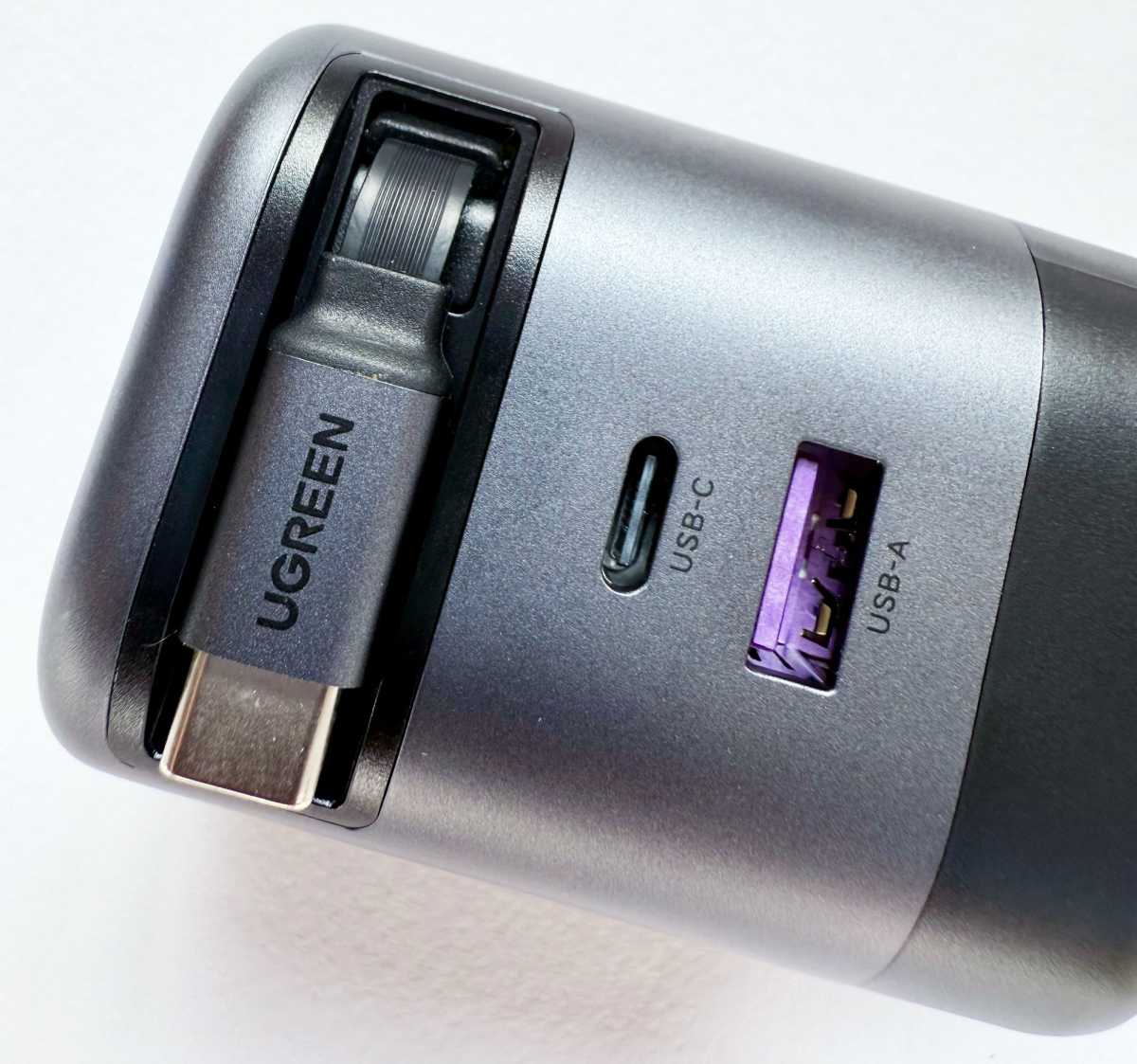
But not all chargers support PPS, even if they support USB-PD (it can be both). Some support Adjustable Voltage Supply (AVS) technology, which means that only the voltage can be adjusted, in 100mV steps. It also provides a more flexible power supply than without either technology.
EU requirements on common chargers are silent on either PPS or AVS.
When Android Authority 2024 tested fast charging with chargers supporting either basic USB-PD or USB-PD with PPS on a number of popular phone models from Google, Samsung and other manufacturers, the site found big differences in charging speed. The biggest difference was with the Asus Rog Phone 7, which charged at 60W with PPS and 18W without. The Pixel 7 Pro, by comparison, charged at 23- and 18W, respectively.
So a 100W charger for a laptop may not even provide 20W of power for a mobile phone.